5 Reasons Why Customers Switch Brands

5 Reasons Why Customers Switch Brands

In today’s extremely competitive market, new companies are launching products similar to yours on a daily basis. As a result, even a small blunder in keeping clients satisfied can cost you a lot of money. Someone else’s loss could be someone else’s gain. You will lose clients to your competitors the instant you irritate them with ineffective services. You simply cannot afford to divert your focus away from providing your customers with a positive experience every time they do business with you. Prepare new ideas and offerings to keep existing consumers happy while also attracting new ones.

If you want to be successful in business, brand switching is a crucial topic that you should consider. It is widely known that obtaining new consumers is more expensive than keeping existing ones. To put it another way, if you know how to keep your clients, you’ll have a better chance of cutting costs while keeping or increasing revenues.

What is Brand Switching?

Brand switching is a behaviour of a customers switching one company to another or one brand to another for purchasing product ot availing services. It’s a simple concept, but preventing it from happening to your customers is a whole different situation.

Reasons For Loosing Your Customers

You might be surprised as to why people switch brands. What drives people to behave the way they do? We’ve put together a list of explanations to alleviate your fears, give you a better understanding of the scenario, and help you learn from it so you don’t lose customers.

The annoyance of SMS Marketing

Customers will be irritated by Messaging that is ambiguous and meaningless. If customers continue to get spam communications in bulk without a call-to-action or useful information, they are likely to disregard them. Such desperate effort adds to building a poor impression on the SMS recipients towards the company from whom they are receiving it. If clients flag your messages as spam, it will harm your overall reputation and lead them to purchase the identical product from a competitor.

Wrongly Timed Marketing Calls

Would you like to be woken up in the middle of the night on a weekend? Aren’t you going to be angry if you get phone calls in the middle of a meeting? Of course, you will, and your consumers will as well. Everyone is irritated by marketing calls since they are received at inconvenient times. Customers continue to receive abrupt calls regarding loans, property for sale, or general surveys even after subscribing to the Do Not Disturb Programme (DND). Customers who receive such unwanted calls become irritated and begin to have negative feelings about your company. As a result, you must avoid making such calls or risk losing your consumers to others.

Asking for Feedback

Customers adore their personal space. They will not be pleased if you continue to poke them with feedback requests. Rather, such intrusions into their personal space irritate them. It is their choice whether or not to provide feedback. You can’t make people do anything they don’t want to do. Give them your time, and if they like what you’re doing, they’ll immediately praise and rate you. It will not be necessary for you to plead for it.

Unwanted Emails

Customers are frequently required to sign up for email newsletters or promotional offers when purchasing any product from your website. However, the vast majority of people despise receiving such emails and are compelled to express their dissatisfaction. Customers will either ignore, discard, or report your emails as spam if you continue to send them. So, how does it proceed from here? Simple is the answer. Customers who are bombarded with unwanted emails eventually unsubscribe and go to a different brand.

Pointless App Updates

Frequent demands for updates irritate customers. Your developers will occasionally add new features to your program in order to make it more advanced. However, these updates not only eat a significant portion of your data pack, but they are also useless in the eyes of your customers. Don’t let things get to the point where clients are turning away from your company. Marketers frequently overlook what customers want in their efforts to sell more things. You’re not going to help your business by bombarding them with emails, offers, and services. Marketing should be done not only to sell but also to retain cuatomers by offering a positive experience.

Mismatch Between Price And Value

Consumers will always have a brand affinity, which is one of the first things you should know. A consumer’s “love” for a particular brand is known as brand affinity. Keep in mind that each customer will have a distinct level of affinity for a particular brand. There are people who will pay absurd amounts of money to get their hands on a particular brand. Others, on the other hand, are unconcerned about the brand and will choose a preferred brand as long as the price difference isn’t too significant. And it is at this point that the concept of price or value enters the picture.

Consumers will always choose their favored brand up to a certain extent, as previously stated. The main limiting issue, however, is the cost. Simply put, your clients will prefer your brand and will pay more for it even if it is more expensive than the competition. They will, however, switch if the mark-up becomes too high.

Non-Satisfactory Customer Service

Customer service is the one factor that will trigger a significant shift in brand perception. A single poorly handled instance will, in most cases, cause a customer to dislike, if not outright despise, your brand to the point that they will tell everyone about it. As a result, when it comes to client service, you cannot afford to cut corners. You should, at the absolute least, have a system in place that responds to a consumer as quickly as feasible.

Wrapping Up

Overall, the reasons for switching from one brand to another are as follows. There could be a few more. Influencers are those who buy a product and then persuade others to buy the same product. Similarly, word of mouth and social perception are both unspoken reasons why a customer might switch brands.

I’ve also stated what you can do to avoid switching brands in the points above. A percentage of your clients will always switch brands. For start-ups, the percentage of customers that abandon your brand may be larger than for established businesses. Brand switching is acceptable as long as it is limited to a previously agreed value.


Ways To Accelerate B2B Sales Cycle

How To Accelerate B2B Sales Cycle

The length of your sales cycle has a significant impact on your company’s performance. Your cash-flow rate, financial planning, inventory control, marketing schedule, and sales strategy are all impacted by the length of your sales cycle. The simple truth is that the sooner you can turn around sales, the faster your firm will develop, whereas the longer your sales cycle, the more likely you are to run into cash-flow issues and go out of business. As a result, a strategy to shorten the sales cycle is something you should consider.

What is B2B Sales Cycle?

A ‘Sales Cycle’ is a series of steps that salespeople do in order to close a new account. Sales cycles are frequently confused with sales processes, which are frameworks for putting sales cycles into action. The sales cycle is more tactical, with steps like “prospect,” “connect,” “research,” “present,” and “close.”

Having a sales cycle in place is in your company’s best interests. It helps you organize your sales funnel, prioritize leads, and assess the effectiveness of your sales activities. A well-defined sales cycle provides your representatives with a detailed roadmap and common reference points to guarantee that they and their peers are on the same page.

Stages of B2B Sales Cycle

Stage 1 – Prospecting

The search for prospects is the initial step in the sales process. This entails using several channels to discover people, firms, or organizations who are likely to be interested in your commercial offer, such as:

  • Marketing, particularly inbound marketing;
  • Professional social networking sites like LinkedIn;
  • Meetings with people in person at professional events

Using Outbound Sales methods, a salesperson can search directly for professionals on social media and immediately engage their prospects with tailored e-mail sequences. Inbound Marketing also allows passive prospecting by allowing interested prospects to discover products/services on their own through content. This indicates that the prospect will contact the salesperson on his own initiative.

Stage 2 – The Pre-Approach

The pre-approach is an important part of the B2B sales cycle since it is when the salesperson gathers information about his prospect. Previously, this task was done solely on the basis of information about the company gathered from one’s surroundings, such as through one’s network.

In the age of Social Selling, it’s less uncommon for a salesperson to communicate with a prospect via social media and to juggle the phases by anticipating his queries. Without going into the tools for data consolidation, which may provide information on a prospect’s function, his company’s income, and so on.

Stage 3 – The Approach

Before the internet, the only way to contact a potential customer was to walk door-to-door or make a cold call. It is possible to automatically identify a prospect’s interest and focus on those with the most potential thanks to Marketing and Sales Automation technologies, as well as Cold Calling 2.0.

This method, incidentally, is virtually solely the duty of the Sales Development Representative, who does the gauging before passing it on to an Account Executive.

Stage 4 – The Presentation

The “prepared sales presentation” (or “planned salesperson pitch”) was one of the first presentation strategies developed to boost salespeople’s efficiency.

This method was quite effective in ensuring that the salespeople’s speech was consistent. To avoid salespeople having to travel, it is now preferable to interact via a personalized online presentation.

Stage 5 – The Overcoming of Objections

At this point, a salesperson from the modern period would have done all possible to overcome his prospect’s concerns with the sole purpose of persuading each one to buy his product and close the sale.

However, we now recognize the need of taking a client-centric approach and ensuring that the product/service meets the demands of the prospective customer. Lead nurturing is increasingly being utilized to mature a prospect before moving on to the sales stage.

Stage 6 – The Closing

While a straightforward sale may seem appealing in the near term, it does not win the client’s loyalty or create a virtuous B2B sales cycle. Even if the client gets the impression of being accompanied through the sale, particularly as a result of the advice, a sale will ultimately fetch more.

Stage 7 – The After Sales Follow-Up

The after-sales follow-up stage of the B2B sales cycle cannot be limited to the sending of a letter/flyer and a few freebies (even if this reinforces the connection with your client).

The Customer Success job, which is responsible for following up with clients, is becoming increasingly important in terms of maintaining clients, following up with them, and obtaining valuable recommendations from their networks.

How To Accelerate Your B2B Sales Cycle

If you’re wondering how to improve your sales cycle – or, more accurately, how to accelerate the sales cycle – we’ve got you covered. By minimizing the time it takes to convert a prospect into a customer, the tactics for shortening your B2B sales cycle phases outlined below will help you close more sales, make more money, and gain a head start on your competitors.

Refine Your Target Market

By narrowing down your target audience to those who you can identify as actual potential clients – ones who would derive real value from your products or services – you’ll spend less time trying to sell to someone who’s just not interested, and you can focus instead on those who you should be able to move swiftly, and successfully, through your B2B sales cycle stages.

Nurture Your Leads

Begin by segregating your contacts into lists of casual browsers and those who are unlikely to make a purchase anytime soon. These are the leads that must be nurtured before being forwarded to sales. For a quicker sales pipeline, lead nurturing allows your sales staff to focus on qualified, ready-to-buy prospects.

Know The Right Time To Make Your Move

As they say, timing is everything. As a result, you should become familiar with your clients’ journey and be able to pinpoint exactly when your services become most beneficial to them and when they are most likely to make a purchase choice.

Create A Joint Engagement Plan

It’s a document that illustrates how a working relationship between you and your prospect might appear. When you provide a JEP with your prospects immediately at the start of the B2B sales cycle, it aids them in making a faster and more informed purchase decision.

Understand the Decision-Making Process

Inquire about the timeliness of your prospects. Before making a decision, find out what they want to know and who is engaged in the decision. You’ll be on your way to success if you figure out their requirements and what they want to learn about the business. Their responses will offer you a sense of how their evaluation will proceed, allowing you to customize a lead management strategy to your specific target audience or profile.

Automate Where Possible

Evaluate the CRM pipeline’s various phases and determine which tasks can and should be automated. Automating sales activities aids in lead scoring as well as sales process improvement, ensuring that leads are not overlooked or forgotten. Users have seen a 14.5 percent improvement in sales productivity when automating lead nurturing operations like email campaigns and follow-ups. Sales reps can now spend more time pursuing well-qualified leads.

Make Sales Your Primary Focus

It’s not uncommon to wear multiple hats in your profession, whether you’re a business owner or a sales representative. However, if selling is one of your responsibilities, the more energy you can dedicate to sales rather than administrative or other tasks, the more time you’ll have to spend on things like identifying new prospects and following up with those you already have.

Wrapping Up

Knowing which leads to enter into the pipeline and which leads to nurture is key to speeding up the sales pipeline process. Defining your company’s sales process, coaching reps, and building the pipeline are all part of accelerating the sales process. Finding time-saving solutions to let salespeople spend more direct interaction with their customers is another element to reaching the sales cycle speed you desire.

Make use of the suggestions above to improve and help accelerate your sales process. According to Harvard University, nearly 25% of sales cycles take 7 months or more to close. Keeping this in mind, don’t become disappointed if the process takes too long; instead, keep refining and improving the cycle until you reach your peak productivity.

direct Marketing

Everything You Need To Know About Direct Marketing

Good Marketing makes the company look smart. Great marketing makes the customer feel smart”- Joe Chernov

Direct Marketing evolved as a new concept in recent days, it has been around forever. You may be wondering what exactly direct marketing & how building strategy can yield clearly measurable results. This blog is all about how to make use of direct marketing to drive conversion & best practices of creating different types of campaigns & making ultimate use of it to improve sales. A billboard might take you to near closest before the advent of digital marketing.

What Is Direct Marketing?

Direct marketing is a type of advertising campaign that relies on direct communication or distribution to individual consumers. No third-party intervention is required here. Mail, Email, Social Media & Texting campaign is a common delivery system used. Since it eliminates the middleman or third party intervention is it termed as direct marketing & call to action is the common factor here. Also for any marketer, the effectiveness of direct marketing is much easier to measure when compared to another mode of advertising. One of the most interesting & popular methods is direct email marketing.

Having a call to action is highly recommended for any part of direct marketing. The recipient of the message has the luxury to respond immediately by sending a reply or clicking on a link on a social media profile or email. So any response is a positive indicator for marketers to proceed with a sales pitch. Direct marketing gives an opportunity to promote products & services directly to the customers who most need them. A good direct marketing campaign can do wonders.

  • It builds a professional relationship with new customers & receives proper feedback about customers.
  • It gives you a crystal clear idea of which approach helps you in identifying or connecting with prospects in the target market.
  • It gives compelling content to share with potential customers & improves sales.

Interested in launching your own direct mail campaign?

In this blog, we will be explaining the steps involved in launching a direct campaign. Here are a few points to be taken care of when it comes to a successful direct mail campaign. They are

Building Your Contact List:

The First & foremost step in developing direct email marketing is identifying or knowing your target audience. With the growing trends in email databases, you can find email lists by industry sector, but with proper customization & research, you can find the users genuinely interested in your product or services. With various content sharing platforms today we can use inbound marketing for lead generation. No matter what all you need to do is segment your contact list based on the pattern how often they visit your website.

Write Ideal Mail:

When it comes to ideal mail make sure you check the subject, icon & call to action. With proper segmentation & creativity, create ideal mail for B2B campaigns based on industry type. The subject line is one of the first & foremost that attracts when prospects opens your email. Make sure your recipient knows who you are with the strong subject line.

Reach People Immediately:

Checking postal mail every day helps you to sort it out as soon as it reaches your hand. This indirectly indicates a direct mail campaign can help you in getting connected with prospective customer hands as soon as they open their mailbox. With the advancement in tools & proper email strategy, grab prospects’ attention with a catchy subject line.

Target Your Ideal Customers:

Direct marketing helps B2B marketers to target a specific groups of customers with personalized messages. With the threshold time research & identify the customers who are mostly interested in your products & services. An accurate understanding of your customer is highly possible with a well-targeted direct email marketing campaign.

Roll Out Campaign Within Budget:

A direct marketing campaign is highly recommended for a specific group of audiences to achieve realistic sales goals or on a tight budget. A Business can achieve its goals within half of the budget & make it happen in a hassle-free manner.

Improve Customer Loyalty:

Direct marketing helps B2B marketers build direct relationships with their customers without any geographical barriers. Based on the segmented data you can also personalize promotions & create an immediate link with customers in order to improve your connection with customers. Many businesses have the benefit of combining direct marketing with customer loyalty strategies in order to establish as professional relationships with customers & grow them effectively. Customize your promotions, emails, promotional offers to create an instant bond & maximum ROI.

Increase Sales:

The main focus of any business is to retain existing customers & welcome new ones. Reliable customer, records improve your sales with simple & well-planned promotional tactics. Alternately re-establish relationships with prospects that haven’t returned to your business for a while.

Create New Business:

Choose your target market & give better sales revenue to communicate with mass-market interested in your products & service. With effective techniques for sourcing & identifying new customers, you can acquire new customers & expand your market reach. Direct marketing lets you explore, adapt & respond to the needs of your business. A direct marketing campaign can be used for

  • Improving sales
  • Renew sales figures
  • Improve customer contacts
  • Establish a business relationship with prospects through regular follow-ups

Response Tracking:

The success measure of any digital marketing campaign is response tracking. It helps businesses & key decision-makers to analyze user behavior & pattern. Customer insights provide complete information about how the customer feels & it directly improves sales.

High Segmentation & Targeting:

Direct Marketing enables companies to connect with various segments of the audience through personalized messages. Identifying potential customers through high segmentation & targeting process created the most valued thing to do in business. Grouping customers of similar needs are often referred to as segmentation. And focus on a particular segment of customers is referred to as targeting.

There are many direct marketing channels that can directly market to your customer & improve the base. They are

  • Email Marketing
  • Telemarketing
  • Direct Mail
  • Couponing
  • Direct Advertising
  • Broadcast Faxing
  • Direct selling
  • SMS Marketing
  • Social Media marketing
  • Kiosk Marketing
  • Targeted Advertisements

The main aim of any direct marketing is to address your audience without any intermediaries.

Email Marketing:

Email campaign should be sent out to potential & existing customers who opt to hear you & interested in your business. There are various email marketing formats for achieving a different set business goals. They include Newsletters, product support, seasonal offers, referral programs, partnership, advertisements & more. Each template has its own unique aspect to attract different segments of people.

Telemarketing:

Telemarketing is a popular method of direct marketing where a salesperson directly interacts with customers to buy products & services. It is more of personal communication with target audiences. Telemarketing can be cold calling, sales follow-ups, general follow-ups & getting insights about past customers.

Direct Advertising:

Online ads that are displayed to your target audience are termed direct advertising. It is can be done in any media or publication. The main reason for terming any media or publication aims at choosing your audience & remains a single point of contact to promote your products & services. Direct advertising follows certain strategies like a one-to-one appointments, door-to-door sales, events & more.

SMS Marketing:

SMS is one of the popular cost-effective forms of direct marketing to reach a large group of audience. SMS marketing works well for all forms of the audience who check frequently more connected with mobile. SMS marketing is one of the smartest ways to connect with prospects before you call them up. SMS can be used for booking reminders, sales alerts, promotional alerts, follow-ups, updates & more.

SMS Marketing:

SMS is one of the popular cost-effective forms of direct marketing to reach a large group of audience. SMS marketing works well for all forms of the audience who check frequently more connected with mobile. SMS marketing is one of the smartest ways to connect with prospects before you call them up. SMS can be used for booking reminders, sales alerts, promotional alerts, follow-ups, updates & more.

Benefits of Direct Marketing:

  • Helps you to produce personalized content
  • Keeps data fresh
  • A direct marketing campaign can be integrated with other marketing campaigns
  • Building long-lasting relationships with customers
  • Exploring your new customers
  • Quick turnaround time
  • Easy personalization
  • Cost-effective
  • Fairway to track & measure your result
  • Improves customer loyalty
  • Improves sales
  • Exponentially growth in ROI
  • Easy way to connect with key executives

Wrapping Up:

With good planning & preparation, sales can be improved. There are several ways to connect with prospects & experiment ways to promote your products & services. Good luck with all your marketing campaigns. Hope this blog gives things to be considered before rolling out any direct marketing campaigns which are preferred for your business. To know more about direct marketing ideas, please reach out to the Logichannel team for assistance.

b2b Sales Leads

Significance Of Finding New B2B Sales Leads For Your Business

With the changing technology & trends, all business regardless of their size needs a steady flow of sales leads to keep them moving? This is important for any sales & marketing team to allocate a significant portion of the budget in generating accurate & reliable B2B leads. Lead generation is a critical aspect of any company which doesn’t limit the overall sales process.

As we all know B2B sales leads can be generated through various processes. Here are few most effective B2B sales lead generation strategies such as email marketing, networking, B2B telemarketing, paid advertising, content marketing & more. Implementing what works for your business depends on the one which best for your company.

What Is B2B Lead Generation?

Have you heard anyone saying B2B lead generation is easy? No right. You know it is tough if you need to generate more leads. Business to Business lead generation describes businesses that primarily sell to other businesses. There is a great saying in English, “The journey of a thousand miles begins with a single step”.  Hence B2B sales lead generation is the critical step in any sale or marketing process.

Lead generation involves collecting potential customers’ information which includes name, email, company name, job title & more. A report by HubSpot shows, best lead sources for B2B companies are SEO, email marketing & social media.

Why Lead Generation Is Important?

It is important for any business to generate leads. Without leads, most of the leads will the growth of customer base. Hence, companies generate well-developed strategies to expand their customer base. There are many lead-generating methods, all work differently based on varying goals & targets.

Types Of Leads

Any person who shows interest in a company’s product or service is often referred to as a lead. There are different types of leads such as

MQL- Marketing Qualified Lead:

Contacts that engage with your marketing team, but haven’t received sales call is often referred as Marketing Qualified Lead.

Ex- A contact who fills out the landing page form for an offer.

SQL- Sales Qualified Lead:

Contacts who have taken action in expressing the interest in becoming paying customers is often termed as sales qualified lead.

Ex- A contact who fills out the form to ask a question about your products & service.

PQL- Product Qualified Lead:

Contacts who have taken action in indicating interest in becoming a paying customer are often referred to as Product Qualified leads.

Ex- A person who uses the free version of your products & asks for more features up using.

SQL- Service Qualified Lead:

Contacts or customers who have indicated service team for becoming paying customers.

The individual point in an individual journey to become a delighted customer is one of the processes of generating leads. It involves attracting, converting, close & delighting the customer.

Strategies & Methods of Generating B2B Sales Leads for Business:

Generate A Targeted List Of Business Contacts:

Generating a targeted list of B2B leads is an essential aspect of generating new B2B leads. Having a well-researched list always helps a large number of potential buyers in promoting your products or services. Alternatively, it is important to make a note, not all databases are created with verified information. Your database may have outdated or incorrect information which doesn’t match with the target job titles, company, job location, or size.

Send Cold Emails:

As a B2B marketer always makes sure you customize cold emails & personalize them before using them. Make use of merge tags which can allow you to replace the first name or company name in each email. This looks completely personalized to each lead. It is a great way to get a response from the recipient. It is well-known fact that people tend to reply faster to a personalized email than generalized content.

Make Cold Calls:

Cold calling is highly recommended for a perspective that doesn’t have the previous contact with you.  It is similar to calling someone who has already heard about you. Cold calling is highly effective if it is done right.

Roll Out A/B Test On Key Pages:

With the growing interest in surfing and website browsing, you can attract a different set of prospects. Collect all available information & try changing basic settings of landing pages, home page design & convert them into high-quality leads.

Win Your Buyers Trust With The Social Proof:

Social proof is a powerful tool in recent times. A prospect may have n number of claims or doubts, social proof is to make is an ideal way to make a thoughtful purchasing decision. Trust & sales improve with more social proof which you gather from your prospects.

Generate Quick Wins From The Landing Page:

A designing landing page is the most transformative point in any buyer’s journey. It is a quick win for any B2B salesperson.  Make the call to action with attractive headlines to catch the attention of buyers. Make use of live chat features to address your prospect queries instantly.

Personalize Your Website With Dynamic Web Pages:

Having dynamic pages & content improves the visitor’s experience.  With the account-based marketing strategy, dynamic web pages can create a powerful experience for your prospects.

Creating Omni Channel Approach:

The method of adopting & understanding the customer journey is possible across multiple platforms. Make sure you use the following channels for generating leads.

We- may be through SEO or paid ads

  • Mobile Apps
  • Social Media

Here optimize the best outreach efforts by selecting leads that fit best for the ideal customer persona. Since multiple channels are available always make sure you connect with prospects through their preferred mode of the communication channel.

Don’t Sound Pitchy:

Always make sure you start with the initial conversion in a humble & polite manner. It must not be a direct sales pitch. It can be anything with the ultimate aim of engaging, building rapport, opening up with prospects.

Ask The Right Questions:

Brainstorm & get to know as much as possible about prospects. It can be anything ranging from company, name, potential challenges. Ask open-ended questions to address the right needs of prospects.

Update all details in CRM:

Businesses having a well-structured platform to record the complete outreach & conversations for future conversation will strengthen the customer relationship.  Record each & every history of outreach for future reference & create an ideal buyer persona.

Cater to new B2B buyers on mobile:

With the advancement in the gadgets we use, never settle for one. As we all know mobile traffic continues to grow in recent days. Hence optimizing mobile has been an important part of effective B2B lead generation strategy. A report by demand shows 91% of the B2B buyers search on mobile devices before buying.

Optimizing long-tail keywords for getting more qualified leads:

With SEO effort, target the right long-tail keywords & improve the search volume, which directly improves the sales.

Roll out campaigns based on competitors keywords:

With the help of SEO research tools, make advantage of targeting the same website & keywords as competitors to drive more sales & web traffic to your website. Run a small paid ads campaign to see if it actually attracts B2B leads.

Add signatures to your emails:

Email is one of the unique opportunities for generating sales leads. Since email is the most preferable communication channel used to attract or interact with customers, adding signatures to emails is a great way to turn prospects into leads.

Host Webinars:

With the pandemic, the marketing world turned upside down. About 73% of the webinars are highly effective for generating quality leads. Webinars always provide better opportunities to educate their target audience by considering a host as a thought leader in that particular industry. 2021 has brought tremendous change in our marketing strategy, where webinars become an integral part of every company’s marketing strategy.

Automate your marketing process:

Automating your marketing process is one of the greatest ways to generate quality leads for your business. With the help of an automation system, you can roll out different marketing campaigns track results effectively. It becomes easy for the B2B marketers to target leads based on score & help the sales team in identifying the best fit for the company.

Wrapping up:

Generating high-quality leads is the topmost priority of any B2B marketer. With the above discussed numerous methods and techniques, marketers can generate leads through all possible opportunities & improve their performance. Since we’re stuck in the pandemic, right now, improve your lead generation performance through various techniques that fit best for your business. Finding B2B leads is important for any business  & without it, no company would survive.

sales People

How Salespeople Can Identify Right Decision Maker in a Company?

According to Gartner, a typical B2B solution buying group can include 6 to 10 decision-makers in the complex world of B2B sales. These stakeholders all have their own perspectives, personalities, issues, and priorities, which can sometimes come into conflict. The journey for both B2B buyers and sellers has become more difficult than ever before as a result of these challenges.

Finding all of the key players in the company’s purchasing process isn’t easy, and getting them to agree on anything is even more difficult. In this article, we’ll walk you through the stages of identifying decision-makers in any firm.

What Is a Decision Maker, and How Do You Define Person?

In an organization or business, a decision-maker is someone who is in charge of making important decisions. These are typically executives or other high-ranking employees in a company who has the authority to make decisions on their own or with a small group of people, making them the people you should speak with if you want to sell to that company.

This person should ideally be a C-level executive who has the authority to not only approve the sale but also sign the check for the products or services, reducing the number of people you need to get approval from and speeding up the process.

Essential Steps for Identifying the Right Decision Maker

It’s just as important to prepare for the sales process as it is to execute it in B2B sales. It might be claimed that even the best sales methods will fail to generate results if they are not properly prepared.

The steps outlined below will help you approach any firm with more confidence, recognizing not only who the decision-makers are, but also how to increase your chances of getting through to them and closing the deal.

Know The Type Of Organization

Each B2B industry has its own distinct characteristics. Even if there are many similarities, it is the tiny variations that can set you apart from the competition and allow you to pinpoint decision-makers with more accuracy.

As a result, you should strive to obtain as much information as possible about the usual companies you want to work with before diving into the individual company you want to target. This will give you a better idea of who you should speak with, how to recognize them, and where to begin your research.

You should be able to develop a complete profile of how your ideal clients operate, their internal structure, and which people are more likely to act as gatekeepers versus those who actually make things happen over time. You’ll be able to discover patterns that provide more in-depth insights while also making you appear more informed and trustworthy when interacting with each prospective client if you look at the broader picture.

Identify Key Decision-Makers

According to B2B Marketing’s research, 97% of B2B decision-makers already know which vendor they want before the selection process even starts. This may appear to be an enormously high percentage, but the notion that pre-engagement is critical in sales is sound. One of the most critical B2B sales operations is identifying and engaging the proper stakeholders.

Businesses are a network of stakeholders with varying objectives, responsibilities, and power levels. B2B sales professionals that succeed understand how important it is to navigate this minefield. According to intriguing research from Gartner, average and poor sales teams make several common blunders.

Determine Your USP

It’s not just about identifying decision-makers; it’s also about knowing how to grab their attention and pique their interest in what you’re saying. And it is at this point that having a robust and well-crafted unique sales proposition (USP) becomes an amazing resource. The most important thing to remember about your USP is that it isn’t something you can figure out once and apply to all of your marketing and sales efforts. Even if the essence of what sets your company apart remains the same, how you present it and even which aspects you emphasize can differ dramatically depending on who you’re dealing with.

However, as you learn more about the companies you want to target, you’ll learn about the challenges they face. And it will serve as the foundation for developing a unique selling proposition (USP) that will help you connect with key decision-makers and set your firm out from the competition. If the company you’re targeting has multiple decision-makers, having a clearly defined USP will help you figure out who to approach first and how to make them your biggest active support within the company.

Create a Detailed Persona

The information mentioned above should serve as a great starting point for researching the individual clients you wish to target. Once you’ve identified a company to sell to, you can begin creating a buyer persona for the individual who will be the most likely decision-maker based on the data you’ve gathered. Even while the particular elements can vary greatly, there are some common threads that can be used to create a character and match it to someone who you believe can make a purchasing choice.

We’ve already discussed how a job title alone isn’t always a trustworthy indicator of who the decision-maker is. However, once you have a good understanding of the company’s structure, the job title might help you remove a lot of people. If at all possible, try to figure out who will be in charge of the budget, as this is a critical responsibility if you want a smooth and frictionless sales process.

Conclusion

Not talking to the real decision-maker is one of the most typical reasons for negotiations falling through. The main impact of this inability to reach the purchasing process’s key person is a significant lengthening of the sales cycle. Reaching decision-makers is a matter of timing: to engage decision-makers in a systematic manner, the timing must be perfect.

When it comes to reaching decision-makers, salespeople must succeed at all costs. They must meticulously plan their request. Otherwise, they run the risk of being overlooked. To summarise, reaching the decision-maker necessitates specific technical labor and exceptional abilities. Fortunately, a sales force evaluation may help you identify opportunities for improvement. This evaluation will establish whether your sales professionals are selling at the appropriate corporate level and are able to reach the appropriate person.

b2b Campaign

11 KPIs Every Marketer Must Track To Quantify B2B Campaign Performance

Not all your B2B marketing campaigns are going to generate the best result.  Similarly, no matter what the performance of your campaign must be tracked effectively so that KPIs will always help you to learn something new & improve it for upcoming campaigns effectively. With high performing B2B sales team, you can effectively measure the success of the business.  With pre-defined & essential business metrics, as an organization, you can improve better performance & productivity.

What is KPI?

Key Performance Indicators

A KPI ( Key Performance Indicator) is often referred to as measure value which allows B2B marketers to track & access the success & failure metrics for the growth of any organization.

KPI metrics must be associated with every marketing strategy as they will help you place your business goals in place. Tracking of all your strategies plays a key role in understating what works best for the organization. There is an old saying in English “what gets measured, gets done”.  The point here is KPIs let us measure your goals regularly & improve your conversation rate.

We must agree today’s businesses are driven by data & it is important for us to rely more on numbers than anything. Having clearly defined KPIs will support decision making, faster performance & improve business objectives.

Do You Think B2B Marketing KPIs Affect Sales Growth?

The answer is a big YES!! When KPIs are selected effectively you can get growth right from the beginning. So here comes the next question how right sales KPIs are defined.  Every B2B organization is different & has specific objectives. You may be wondering driving the right B2B sales growth requires a high level of understanding with organizations business processes. All the defined KPIs must be aligned with the strategies & activities you have.

In another word, if your sales team conducts webinars to show how your product can solve target audience problems, then you can use engagement analytics to understand your prospect better.

Account-Based Marketing Campaign Objectives:

One of the most valued strategies to convert B2B prospects is Account-based marketing (ABM).  Account-based marketing is one of the personalized marketing strategies which can be applied to any customer to increase the conversion rate. This funnel is one of the high-value customer accounts to nurture & engage with prospects effectively.  In order to reap maximum benefits out of account-based marketing, several KPIs must be used. Below KPIs can be used to measure account-based campaigns effectively.

Marketing Qualified Accounts:

Marketing Qualified Accounts

Any account that has been engaged by the company or owner of the account to an extent that can be considered as a ready-to-be-pitched sale is often referred to as Marketing Qualified Account.

Account Engagement Rate:

The rate at which engagement happens to your customer accounts is termed as Account Engagement Rate. The customer who remains engaged with your business qualifies to become a high-quality lead for the business.

Pipeline Velocity:

The measurement of the time taken to close the deal starting from the first touchpoint is called pipeline velocity.

Converting targeting accounts to customers:

It is the final stage where the targeted customer account is successfully converted into customers. Every marketer must aware of certain KPIs which will be used to measure the campaign productivity. These are discussed below:

Measuring Revenue Achieved From Sales:

Designing a perfect inbound marketing campaign & sales is highly dependent on the joined efforts of marketing as well as a sales team. Though it is crucial to measure the impact of inbound marketing strategies & the revenue they fetch, they play a key role in understanding the key current sales strategy & how it can be modified for the betterment of the organization. Driving larger revenue for each campaign is the ultimate aim of every marketer, hence KPI metrics need to be tracked on a regular basis based on budgets.

Tracking of Unique Website Visitors:

Tracking of Unique Website Visitors

With the digital boom in the business & digital world, we need to maintain the efficiency of the website. Any business website must be up 24*7 & real-time tracking of the unique website can provide both effectiveness of online & offline activities to be carried out for the growth of the organization. This is one of the most easily tracked KPIs for measuring all your online activities.

Tracking of Unique Website Visitors:

With the digital boom in the business & digital world, we need to maintain the efficiency of the website. Any business website must be up 24*7 & real-time tracking of the unique website can provide both effectiveness of online & offline activities to be carried out for the growth of the organization. This is one of the most easily tracked KPIs for measuring all your online activities.

Wondering how unique is calculated? This is nothing but the sum of all unique visits to a specific website. For instance, if 100 people visit your website for the past 30 days & 20 of those have visited your site before then your website unique visitor is calculated as below

Lead Acquisition Cost:

Lead acquisition is one of the most important jobs of B2B marketers. Integrate the CRM or ERP platforms to calculate the total acquisition cost per lead. Understanding these metrics helps in providing key insights & making the marketing more productive & within the budget.

B2B Sales Key Metrics:

Efforts of the B2B sales team are directly proportional to the company’s performance &growth.   It includes a series of KPIs to track every month.

Total Sales:  This metric indicates the total amount of revenue generated from the sales for a particular or target month.

Sales by Product or Product Type:

This metric indicates the sales that are generated against each product company owns. With these details, we can analyze the total amount of sales generated against each product.

Sales from new business:

This will help to track the complete details of first-time customers who have contributed to total sales. This can be calculated as

(Sales from new customers/Total sales)* 100

Cost per Acquired Customer:

Every business values new customers & every business love to onboard n number of customers. It improves new relationships, new connections & upsells opportunities.  The one metric that is supposed to determine a company’s future & sustainable growth is the cost per acquired customer.  Another important factor is how long the new customer sticks to you. Customer lifetime values are another critical measure.

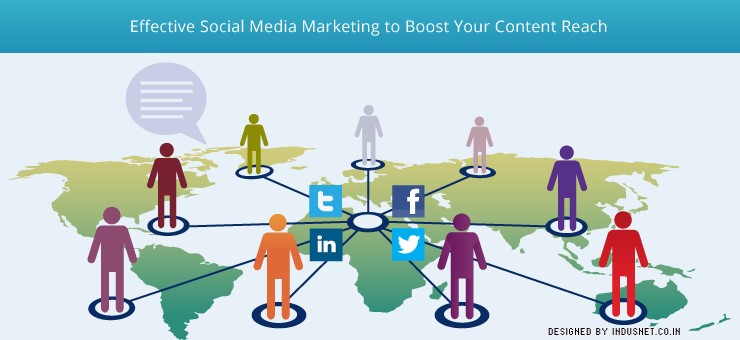
Social Media Reach:

Social Media Reach

With social media becoming trending with the advent of digital marketing, it is one of the most demanding factors for any company to focus on social media. A social media campaign can expand the network smoothly with various key performance indicators based on social media platforms used such as Facebook, Twitter, Linkedin& more. Demonstrating the ability to generate leads from social media is one of the critical social media KPIs.  Make sure you have a proper network to evaluate & convert the audience into marketing qualified leads (MQLs). Integrating social media platforms with analytics tools will produce measurable insights.  Social listening & live chat also plays a key role in engaging with new as well as existing leads effortlessly.

Having Proper Landing page & form conversion rates:

If your landing page is ready & designed perfectly, make sure it has all features. As a marketer, you must make sure you get leads & it helps in their enrichment for faster conversions.  If the landing page is driving a good amount of traffic but it doesn’t fetch you enough leads then it is pointless.  A landing page must always contain attractive CTAs to deliver good value, reviews, awards & more.

Cost Per Click (CPC):

With the growing demand for having an online presence, every business started to have its own way of having online ads. It improves your brand value & online visibility. Cost per click is nothing but the amount you pay for a click to a website or ad. It must be tracked effectively to measure desired profit. CPC can give accurate results for tracking relative ads or generating specific clicks. This ad can be optimized to achieve better ROI.

Churn Rate:

Churn rate is one of the critical metrics that helps organizations to understand important aspects of customers lost throughout the given period of time. As the success, it is important to measure the failure metrics as well.  It can give different dimensions on what went wrong where the focus needs to be shifted.

Wrapping Up:

KPI is extremely important for any business to constantly track, monitor, and analyze important aspects to make gradual improvement in marketing performance. Tracking the right B2B SaaS metrics for your business & making changes is one of the affordable ways to grow as a company. So once you understood the importance of tracking KPIs for effective B2B campaigns, the next step is to organize the data mostly in the business intelligence tools or dashboards. Hence it is important to plan & execute a better campaign by tracking key metrics & growing your business to new altitudes.

A Consise Guide To Account -Based Marketing

A Concise Guide To Account-Based Marketing In 2021

As pandemic covid-19 hitting us hard, the world of marketing is continuously changing with the internet & its evolution. Due to this constant shift, many salespersons, find it tough to decide & focus on hot leads or accounts.  In order to solve this issue, Account-based marketing comes into a pitch where sales & marketing teams can work together to deliver account-specific messages with customized programs. Also, it can emerge as an improving revenue model in a short span of time.

Account-based marketing aims to start the sales process by selling directly to the best fit instead of wasting time on unqualified or uninterested leads.  And more importantly, spending time on unqualified leads isn’t the right fit for your business.  In simple, you must move into the phases of engaging your target accounts effectively.


So curious to know what is account-based marketing?

Account-Based Marketing (ABM) is a growth strategy that aims to collaborate with the marketing & sales team to create a personalized buying experience for a high-value account available in your marketing or sales CRM.

Weed out the least valuable companies by opting for account-based marketing. If the sales & marketing team are in complete alignment you can engage high-value accounts much effectively.  Account-based marketing helps B2B marketers to work & communicate with high-value accounts as if they are the individual markets. With deep personalization insights, high-value accounts can be effectively communicated with content & campaign to boost customer loyalty & ROI.

Before deep-diving into account-based marketing & specific tactics, there is another important combo that can do wonders. Account-based marketing & inbound marketing is the best combo ever.  Now you must be wondering how exactly this combo works?  No worries, we can understand from the definition of account-based marketing – it is a highly targeted strategy.

Inbound marketing is one of the foundational methodologies for framing a growth strategy that aims to attract new customers with valuable content &provide a delightful experience. Inbound marketing paves the way to organically provide the information they want with the strong ABM strategy.


Why it is important to implement both account-based marketing & inbound marketing?

  • You grow better by targeting high valued accounts with remarkable experience as an account-based marketing help in providing delightful insights.
  • With combined efforts, you can attract a broader group of audience & get in touch with multiple opportunities
  • You can create valuable content which can be used for inbound marketing & Account-based Marketing.
  • With the advancement and innovation in account-based marketing software, it is easy & simple to implement account-based marketing & inbound strategies.
  • The efficient customer Acquisition process
  • Efficient use of marketing resources
  • Building stronger & trustworthy business relationships
  • Improved sales cycle

Types of Account-based Marketing Strategies:

There are three types of account-based marketing that are

1. Strategic Account-Based Marketing

A highly customized marketing program for a small group of accounts & when it is between 5-15 accounts are often referred to as Strategic Account-based marketing. Content must be highly personalized for these high-value accounts.

2. Account-Based Marketing Lite

If marketers prioritize their program for particular clusters of accounts that share similar needs is referred to as Account-based marketing lite. Based on the company typically 15-100 accounts are selected at this phase. It requires a high investment strategy.

3. Programmatic account-based marketing

And lastly, programmatic account-based marketing is defined by a “one to many” focus. Depending on your budget, you can scale up your accounts within several verticals.

How to identify high-value accounts for ABM campaigns?

In order to generate a high ROI, you must ensure your marketing campaigns generate high ROI. Here comes the big question how to identify those critical accounts effectively.

Creating ideal customer profiles:

Building an ideal customer profile is one of the best & effective ways to identify popular accounts. ICP gives a description of the company that perfectly fits with your buyer.

Channel Mapping:

The process of identifying your most valuable channels & accounts that are used to understand a company’s brand is termed channel mapping. With this detailed information, you can focus on most valuable channels & partners.

Enrich Your CRM Data:

ABM tactics work well if ABM uses the right data. Without the right data desired result is not possible. Missing important insights could be lead to misuse of marketing funds & resources. So in order to gain good control over sales data, polish your existing data & multiply your returns.

How to build your account-based marketing tactics?

If account-based marketing is the building block of your strategy, then you must ensure efforts & investments made are successful.

Make Use of Strategic Account Planning Template

As sales & marketing teams are involved in account-based marketing, it is the best deal to unify your strategic account planning template with useful information. Your template must provide clear & unique content such as

  • Business Overview
  • New business initiatives
  • Customer Relationship landscape
  • Customer products & revenue
  • Competitor analysis
  • Buying process & plan
  • Customer relationship goals & strategy
  • Sales opportunities
  • Action plan

Organization Account-Based Alignment:

One of the most important tactics of account-based alignment is – secure organizational account-based Marketing alignment.  In simple it refers to getting all internal stakeholders on board. Collaborating with all customers is more important as it lays the foundation for the efficient & streamlined process.

For instance, the VP of Sales & VP of the marketing team should spread awareness regarding

  • Members are involved directly in the strategy.
  • Highlighting business point of difference for selected target accounts
  • ABM’s (Account-Based Marketing) budget
  • ABM’s (Account-Based Marketing) Resource
  • ABM’s (Account-Based Marketing) goals
  • ABM’s (Account-Based Marketing) KPI metrics

Build your ABM’s Team:

From the C- level perspective VP & executive people are involved. Being leaders of the respective teams, it is important to build their respective teams who will be completely dedicated to the targeted accounts.  This team will be responsible for creating & publishing engaging content for the targeted accounts. The ultimate aim of creating high-quality content is to close business deals more effectively.

Brainstorm & pick your ideal set of target accounts:

As C-level executives, it is important to brainstorm & pick the high-value target accounts to invest your time & energy in promoting upcoming products & services.  This can be achieved by the following ways.

  • Creating search alerts for your ideal customer LinkedIn Profile.
  • Create a workflow that helps in filtering incoming qualified leads based on business-specific criteria.
  • Identify target accounts based on particular industry vertical or geographical location.

Seek the help of the sales & marketing team to create an account plan together:

From the start of the blog, we have been insisting account-based marketing is all about team efforts. Agreed, right?  That’s why involving appropriate marketing & sales teams is highly recommended. It gives a crystal clear answer for the below queries when an account-based marketing plan is rolled out.

  • Who should be known at each account?
  • What content is engaging among buying committee members?
  • Which channel is the most preferable media to share content?
  • How will be right support be provided to marketers to sales reps at each stage of the sales process?
  • How personalized content should be created?
  • How to customize allocated resources & budgets for each account?

Attract Contacts From High-Quality Accounts:

So far we have discussed how the strategy should be planned. Now we need to attract buying members & stakeholders of the target accounts. This works based on how long you’ve been in the industry and how ABM work was done previously on the selected accounts. Based on this suggestion & output you can decide which contact can be targeted & what works best for them.

Keep aspect of successfully attracting high-quality accounts is to personalize the content.  This will help to elevate brand awareness & maximize reach among the targeted audience.

With some GDPR compliance recommendations high-quality accounts can be targeted:

  • Engage with accounts on social media.
  • Prepare a podcast or video series by collaborating with leaders from the targeted account.
  • Conduct webinar or sponsor an event
  • Send direct messages via social media, direct mail, email, or post
  • Communicate through LinkedIn InMail outreach
  • Have a custom landing page to address the needs, questions & concerns
  • Have dedicated account managers for constant interaction & engagement
  • Create ad campaigns
  • Invite key contacts for events & ask attendees to invite their colleagues.
  • Optimize the campaign based on goals, metrics & marketing insights.

Benefits of Account-Based Marketing in 2021:

  • Targeting niche-based accounts based on their values
  • Ability to identify key accounts & retain them for longer
  • Identify key contact from the account & engage them
  • Build long-lasting relationships
  • Creating new opportunities to address the pain points.

Wrapping up

Account-based marketing shortens the sales cycle with an improved conversion rate. Being professional B2B database service providers, we have intense market research &abusiness intelligence team. Collaborate with Logichannel to empower your business by making profitable marketing campaigns & acquire good business deals. To know more about account-based marketing connect with us right now. We’re happy to help.

data Enrichment

Driving Sales With Data Enrichment Services

Data is one of the most common buzzwords of the 21st century. A report from 2020 Experian about data management shows 85% of the organization recognize data as one the most valuable assets to their business. So here pops up a million-dollar question how about data hygiene if data is your asset. Data hygiene is one the oldest yet important parts of maintaining a strong database. This is where data enrichment comes in.

What Is Data Enrichment?

The process of improving the accuracy & the reliability of your raw lead & customer data by adding extra information from the verified sources is often referred to as data enrichment. Alternatively, data enrichment can also refer to data appending.

This service ensures your data is accurately representing the audience & you get the full picture of the data collected. Accurate & reliable data plays a key role for B2B salespeople. It helps the salesperson to understand better of what customer wants vs. their needs.  Data is the lifeblood of salespeople & they strongly believe quality issues may impact customer trust & perception.

In order to improve the trust, B2B marketers can use enriched data to create targeted & personalized experiences.  Have you ever wondered why personalization is important & how it plays a key role?  

Here is some notable research from HubSpot shows 91% of the consumers prefer to shop for brands that provide strong recommendation & offers
80% of the consumers want brands to provide a personalized experience.

Hope now universally accepted that data enrichment makes you & your customer life better. Wondering how data enrichment works & makes your life easier? The Answer is simple Data.  Data has a superpower because of its reusability. Generate new business insight to release business products & services to improve customer relationships. And more importantly, data enrichment works well in all contexts when your company evolves.

Types of Data Enrichment

Types of data enrichment vary by volume of data sources collected & they are behavioral, Demographic & Geographic. Each type of data enrichment helps the company meet the growing needs of different business goals.  Though all data enrichment services are discussed here, before selecting the right data enrichment technique, decide what kind of information you need for business.

Behavioural Data Enrichment

Adding customer behavioral patterns to the user profile is often referred to as enriching behavioral data. Collecting behavioral patterns helps users B2B marketers identify the area of interest as well as the prospect buying journey of customers.  This helps to determine the effectiveness of the B2B marketing campaign & the marketing budgets for each campaign. It involves identifying &monitoring the user buying pattern & understanding each interest of the customer.

Geographic Data Enrichment:

The method of adding geographic data to the customer profile such as including postal code, mapping insights & more is often referred to as Geographic data enrichment. Such information is highly useful in determining & advertising the new store locations. Hence it is mostly recommended for location-based targeted marketing.

Demographic Data Enrichment:

Adding pieces of information like marital status, family size, income level, credit rating & more to customer profile is referred to as Demographic data enrichment. Collecting & analyzing such information improves your personalization & targeting criteria type.

How Data Enrichment Can Be Achieved?

As discussed earlier data enrichment is the process of combining one or more data sets that are collected from various sources. First & foremost standardize all merged data to fit the quality standards. By establishing data quality standards, you must be refined, improve & enhance data grouping techniques. Enriched data give you more knowledge about your business, customers & improves your brand identity.

Companies that understand the values of the data enrichment equip their teams with valuable demographics, geographic and attitudinal customer information.

There are several ways in data enrichment that can drive high sales. They are discussed below:

Construction Of Customer Profiles:

Business requires accurate insights to target audience through their preferred mode of communication which motivates the audience to stay close with the brand. Enhanced data allow B2B marketers to segment details based on the sales funnel.  Data enrichment can facilitate the enhanced understanding of customers for a more personalized customer experience. Based on the detailed information about datasets, enrichment data allows your business to create more personalized communication on individual customer data.

Personalization:

A personalized experience is highly recommended for any business as they can provide fostering meaning & long-term customer relationship which is a key success for the business. And customer profile personalization has a direct positive impact on a company’s sales & revenue.

With enriched data, you can grow the target audience grows exponentially. This process gives all information to generate hyper-targeted customer segments. B2B marketers provide the right customer journey to the right company which improves customer interaction. Gone are the days, where contacts first name or last name is enough. But now your communication should provide prospects firmographics, technographics & other information which can segment the prospect accordingly.

Improving The Overall Customer Experience:

The ultimate aim of any data enrichment is to improve your customer experience by engaging with companies. Enriched data give more accuracy in insights & conclusions for the business with the existing business. This enables marketers to upsell & cross-sell opportunities which grow the B2B database effectively. Data enrichment gives a crystal clear picture for B2B marketers to collaborate with clients effectively.

Enhanced Segmentation:

With the ever-growing data, you can more accurately segment your audience & B2B database. Segmentation can be based on small & large scale determiners as it helps you to categorize the small, mid & individual business owners effectively. This segmentation knowledge helps B2B marketers to develop more effective & targeted B2B marketing campaigns. With accumulated data, you can reveal new data patterns & business opportunities that come your way.

Smart & Advanced Lead Scoring System:

Data enrichment plays a crucial role in determining the automatic lead scoring for prioritizing & processing real-time customer data. If a lead enters your system with basic information, with the process of nurturing & lead scoring technique lead will be assigned a low score. But with a real lead enrichment process in place, a lead scoring system can reprioritize your lead scoring. This enables B2B marketers to research & identify the high intent for buying your products.

Enabling Machine Learning Technology:

With the power-packed artificial intelligence & machine learning support, it is a boon for B2B sales & marketing professionals to offer a personalized experience. Chatbots are one of the best examples. They play a key role in gathering customer data through effective conservation & virtual humanoid. All these collected data can be enriched with existing information from your CRM or robust sales intelligence tool as it helps in getting the right insights for a personalized B2B experience.

Improved Data Quality:

As we all know redundant & inaccurate data spoils the essence of targeted marketing & provides inappropriate insights which cost companies significantly. If a business operates with such redundant data, they are unable to decide what to remove. With the proper data enrichment service, you can eliminate redundant & inaccurate data for analyzing information, combining boundaries & correcting errors. This quality also enhances the quality of company data maintained so far & levels up the information.

Improved Cost Saving & Sales:

The ultimate aim of any data enrichment service is to reduce cost & optimize sales. Strict protocols of data enrichment help to ensure no database storage is wasted in storing inaccurate or redundant data. Alternatively, it also reduces cost by minimizing penalties that raises because of data compliance. With proper & reliable customer data, meaningful customer relationships can be determined.  This helps in identifying cross-selling & upselling opportunities highly recommended for any business.

Stay Top Of The Trends:

Having a crystal clear idea & awareness about consumer trends, economic behaviors & buying behaviors can put you ahead of your competitors. With such useful information as a B2B market, you can predict the direction of your industry is heading. This also helps the business intelligence team to plan their future innovation based on the rising demands of the evolving customers. If the future is bleak, then with these insights, you can move the industry in a different direction. Simple collected & well-segmented data give you a big picture of where your business is heading.

Improves Forecasting:

Predicted analytics is a buzz in recent times.  Based on the historical data, predictive analytics can use AI & machine learning algorithms to predict the best possible outcome for the future. Make better-informed marketing strategies with a detailed business plan that can enhance your lead conversion & subsequent sales generation.

Conclusion:

The use of high-quality data provides real-time metrics which directly shoot up sales. Also, it improves customer engagement opportunities any business requires with the help of well-segmented consumer data. The key takeaway is how to strategize & utilize high-quality data to drive high sales. Collaborate with the Logichannel team for any data enrichment assistance & improve your standards.

data Quality

Significance of Data Quality in B2B Industry

In the world of B2B marketing, generating the right leads is an essential aspect because these leads will be converted into loyal customers. Of course, you have a variety of lead generation examples and best practices to pick from. In B2B lead generation, however, data quality is very important. As a result, the quality of data collected, stored, and consumed is becoming more significant. We’ve all witnessed the negative impact of poor data can have on a company and are familiar with the frequent consequences of incorrect data, but how much does it truly cost?

According to Gartner’s research, the majority of companies believe that poor data quality costs them an average of $15 million every year. While those of us who work with data on a daily basis are aware that incorrect data is costly, this number is surprising.

“Without Data, you’re just another person with an opinion.” – said W. Edwards Demming

Let’s See The Role and Significance of Data Quality in B2B Industry

Quality Data Improves Decision Making

The quality of data determines how useful it is. Even minor quality variations can lead to poor business decisions, which can cost a company hundreds of thousands of dollars. The higher the data quality, the more confident the team working with it will be in the results it generates, minimizing risk and boosting efficiency. The value of data in decision-making is in its consistency and increase. It enables businesses to discover new business possibilities, increase revenue, forecast future trends, improve present operational efforts, and more.

With the help of B2B data providers, nowadays most of the key decision-makers can be able to make better-informed choices than in the past by structuring and filtering the data which was collected by an organization. Today, most of the top companies around the world use data to make decisions about their business. When better decisions are made, businesses can reap benefits that extend beyond the expected margin.

Improves Business Processes

Up-to-date and accurate data aids in the evaluation and improvement of business processes while allowing you to save money and time. By providing data in a format that can be interpreted by management, quality data allows a business to make informed decisions in day-to-day business processes.

Improved Customer Relations

The customer is king! It is essential for any business to have a good relationship with its customers in order to ensure future sales and success. It’s mandatory to hold accurate data to boost your customer relations. Data allows you to properly understand your constituents, preventing you from sending them mail they won’t read and allowing you to anticipate and address their requirements. Both of these things generate a lot of positive feedback from your customers, and that is why data quality is so crucial.

Understand the Audience and Market

The marketing landscape today is extremely diverse and ever-changing. Within a week, a product that was just released must compete with an updated version from another company. Today’s audiences’ tastes/choices and purchasing processes are continually evolving, posing a significant challenge to businesses.

Any business endeavor requires an understanding of your customer. Successful companies know what their customers want and how to get their product or service in front of them in the most efficient way possible. It is easier to reach out to your customers if you can see them clearly. In order to discover current market circumstances and customer behavior, it is essential that companies have access to high-quality, up-to-date data.

Increased Productivity

Your sales and marketing teams can be more effective when they have access to high-quality data. They may focus on their core purpose of growing an audience and providing sales opportunities rather than validating and addressing data errors.

Data, if correctly accessible and deployed, can offer businesses the way to enhanced worker efficiency. There’s no excuse for leaving data out of your processes when tools and resources are available in greater quantities than any organization could hope to use.

Enhances Marketing Efforts

As one of the responsible B2B marketers, I can tell you that today’s marketing is predicted on data quality to the level of 80%. Data quality is critical since you can’t understand or communicate with your clients and prospects until you have high-quality data.

The value of good data may also be shown in marketing campaigns. Companies could only market to the biggest audience in the past due to a lack of demographic and other crucial data on customers, wasting money on people who were unlikely to be interested in the particular products or service being given.

Minimization of Losses

Poor data can result in revenue loss in a variety of ways, including communications that fail to convert to sales due to inaccurate customer data. Furthermore, customer confidence is lost and corporate liability is increased due to poor data quality.

This is why we B2B marketers should pay greater attention to the practice of just collecting personal information that is directly relevant and necessary to achieve a specific goal. And, by all means, ensure that the information gathered is accurate.

Tips To Ensure Data Quality

We highlighted the importance of good data and the criteria that define it. Let’s look at how you can make sure your company’s data is up to standard.

  • Evaluate the quality of your data on a regular basis and keep track of any issues, errors, or gaps.
  • Calculate the impact of data quality, both good and negative. Identify and enhance the business value created by good data, as well as the costs associated with poor data quality.
  • Identify the main aspects that represent your firm and are necessary for it to expand at a quicker but sustainable pace.
  • Then concentrate on those data sources to separate the useful from the useless.
  • Work toward establishing a central data repository that contains only relevant, full, unique, and trustworthy information.
  • Determine the best tool, method, and technology combination for error-free data analysis.
  • In addition to establishing a core data team, work with competent data analysts and experts. Ensure that accountability is obvious and that data governance principles are well-understood by everyone.

Conclusion

In the day-to-day lives of different authorities handling the data, data maintenance and quality assurance is an ongoing and frequently time-consuming operation. Leaders that position their firms to manage data appropriately and appreciate its intrinsic value will always have a competitive advantage.

Periodic reviews and scrubbing—or cleaning—the data are required to maintain data quality. Scrubbing entails updating, standardizing, and de-duplicating data, as well as ensuring that all relevant information is there. The faster data can be cleaned, culled, and consolidated, the more insights can be extracted.

We don’t take data quality for granted at LogiChannel. It’s an important step in the lead generation process. Lists, on the other hand, rapidly get stale. Promotional operations are severely harmed by out-of-date contact and corporate information. Quality leads shift from one position to the next. To generate successful sales, you must clean data after a title change, a business change, or an email change (or all three). Our data mining team understands what is genuine and what a scam is. We will provide you with the best contacts for your business activities once you assign a task to us.

customer base

8 Simple Ways To Increase Your Customer Base

“All of your customers are partners in your mission”-ShepHyken

Customers are considered the lifeline of any business. Every business owner has a high vision & mission to improve the customer base over the years. Analyzing customer needs & improving profitability is essential for any business. How do I get more customers for my business, is the constant question hitting the business owners & sales representatives over centuries.

Until the advent of the internet, customers are attracted through traditional marketing campaigns. Nowadays, businesses can reach any extend to connect with their customers & grow their base.  Marketers not only make efforts to gain new customers, but also they want to retain the existing ones.

It is a proven myth that customers familiar with your brand are more likely to buy from you often & increase business over time.

In the era of the 21st century, every successful business must know the most effective ways to optimize lead acquisition & customer retention to stay ahead of your competitors. So here comes the big question

What is a Customer Base?

Customer base is the group of customers who repeatedly buy the company’s products or use your organization’s services. This group of customers frequently engages with your business & offers financial value.

Based on your buyer persona & industry, your target audience can be improved. The customer base is a valuable asset to your business. Identifying such customers will help your marketing, sales & customer service team to build a strong relationship with customers.

A subset of customers within your customer base is often referred to as the installed customer base that actively avails your products or services. This subset excludes the customers who haven’t made purchases in recent times.

These customers are considered as creamy layers of your customer base who must be actively focused to build productive relationships. So identifying such customers & personalizing their marketing efforts is highly useful for any business growth& ROI.

Of Course sales & marketing team plays a crucial role in engaging existing customers & offering a delightful experience. So here comes the next billion-dollar question how to improve & retain your customer base.

How To Build Strong Customer Base - Best Strategies

Here are few tactics that must be followed to build a strong customer base & improve it drastically as the business grows

Know your Prospects & Customers:

“The more you value your customer, the more you become successful”

Having a clear understanding of your customer base plays a key role in improving your customer base. Yes, it ultimate aim of any marketer as it helps to meet specific requirements & expectations of your customers. Crystal’s clear understanding of customers’ needs & requirements will help to align your products & services. More importantly, this method gives your a clear opportunity to stand out from your current competition & serve better. It also creates a balanced relationship that can accelerate & customize client’s requirements.

Steps to understanding your customers:

  • Have intelligent customer Engagement techniques
  • Have robust buyers Persona
  • Turn data into customer analytics
  • Understand, analyze, predict & plan your future

Benefits of understanding your customers:

  • Improving customer confidence
  • Building your own brand
  • Improved business collaboration
  • Meeting service level expectation
  • Increased profit & revenue source

Provide Free Trial Offers:

Want to grab the attention of potential leads? Free & trial offers work well. Yeah, you read it right. People tend to give it a try when they are ready to buy or invest in your products directly. In simple as a company you can collect valuable information about customers & surprise with freemium offers.

From small businesses to global corporations when you offer free newsletters or provide quality content, then for sure customers will be keen in knowing your business & buy your products. This helps marketers & sales teams to craft personalized customer services based on the products they use.

Incorporate Online Marketing Strategies:

The objective of any business is to drive customers online & improve their visibility across the internet. In recent days the internet plays a wide role in helping out customers in providing all resources relevant to their business requirements. So having a comprehensive website should be the ideal choice for any business as it gives a clear picture of what your brand stands for & the services they provide. And most importantly website must be well optimized to boost customer visits & forecast smart insights.

Alternatively, SEO is one the effective way to generate quality leads. As per research by HubSpot, 94% of the B2B buyers search online before trying or purchase any product or service.

Optimizing relevant keywords for your business helps prospects to find you between thousands of search results. So you may have a question is optimization is highly recommended to rank your website ahead of your competitor? Well, if you are looking for honest answers to increase your customer base, the big Yes. A prospector existing customer can use any device to search about your products or services. So having an optimized website can offer a better user experience. From lead generation to lead conversion & improving sales revenue is possible when you a well-optimized business website for your business in place.

Second, the most important strategy is having well-optimized social media pages. In recent days, especially during this pandemic the way business operates & achieves their goals drastically depends on social media. Defining your campaign objectives right helps to generate relevant leads & target your prospects effectively. Social media has the power to analyze measure & project accurate targets to improve the relevant customer base.

Benefits of Online Strategies:

  • Implementation of low-cost marketing operations
  • Measurable & trackable insights
  • Demographics Targeting
  • 24*7 Customer Support
  • Able to analyze & collect data for personalization
  • Time effective marketing
  • Improve customer base

Leverage Your Customer Network:

Your existing customer base can be the best place to reach out to new customers & improve your business.  Leads generated through word of mouth or referrals are often called as strong leads. Any day tap into the existing network to identify who can be potential customers of your products or services. This works well because of earned trust. So who can be potential buyers than strong recommendations within your network? Brainstorm with them to understand their requirements clearly & convert them to your clients. On the other hand, this process helps you to expand your network & develop a great business structure.

Include Call To Action:

There are plenty of strategies you can try to draw the attention of new customers. One of the most efficient & immediate, actionable levels is having a call to action to every piece of marketing strategy you roll out. Be it your social media post, weekly newsletter, or any offline marketing strategies, Call to action clearly engages your customers & prospects.

Benefits of Call to Action:

  • Grow your audience
  • Increases sales
  • Directs your readers needs
  • Boost your conversion
  • Improves brand visibility

Offer Great Customer Service:

“Treat the customer as if you are that customer” – Anonymous

If you want to keep existing customers on track, then excellent customer support services come into the picture. Most of the customers would have walked away from any business if they are offering the right service at the right time. So it is quite important to offer great customer service to have a positive impact on the customer base. As the business grows gradually, it is important to respond to your customer instantly as it makes them feel good.

A loyal customer has the power to choose your products & services consistently over competitors. This helps B2B marketers to establish strong business relationships & onboard new business. Similarly, unhappy customers must be taken care of & marketing teams should look at them as an opportunity to grow your customer base with excellent support service.

Get your feedback regularly:

Have you ever experienced a situation or you’ve no idea about attracting new customers? No more worries. Collect & read your customer reviews/ feedback. Clearly, it gives proper feedback about what goes well & what doesn’t. Keep aside your positive feedbacks & deep dive into negative reviews as it is the core area where your focus needs to shift. There are many ways to collect customer feedback. NPS (Net Promoter Score) is one of the greatest surveys as it gives a clear picture of qualitative & quantitative data about your customers.

Importance of collecting feedback:

  • Measures customer loyalty
  • Shows areas to improve
  • Boost referral marketing
  • 360 degree of customer insights

Loyalty Programs:

As your business grows, it is important to try out all methods &adapt to the changing needs of the market. It is a smart strategy to keep track of your financials & analytics as a customer comes from different sources.  So offer a loyalty card or exclusive discount to clients who sign up for your email. Thus customer contact details should be captured to grab attention & boost revenue. Explore the unexplored avenues as your customer base increases.

Conclusion:

“Every single interaction, you have with your customer, is an opportunity for you to create something remarkable”- Joey Coleman

Never settle for one particular approach. As the business evolves, it is important to refine your approach & scale up your activities to convert all prospects without any barriers to your clients. Need to know what works best for you & need to reframe your marketing approaches, then we’re just a click away.