Managing Remote Team

Ultimate Guide to Managing Remote Marketing Teams

Ultimate Guide to Manage Remote Marketing Teams

In response to the global pandemic of the Covid-19 and all the uncertainties, remote working or working from home–has become common across most of the industries. As a result, thousands of team leaders and managers are suddenly finding themselves running a totally remote team.

As a manager of a remote team, you need to be tactical and coordinated to make sure that your colleagues feel involved in the loop and how they can be effective in your company. It takes extra time, a lot of communication, and a good sense of inclusion and empathy. Whether you’re a new or an experienced manager, moving from leading in-office to a dispersed team can be a major transition. To assist you on how to manage remote teams, here I have mentioned some tips below:

Create an Efficient Remote Recruiting and Onboarding Process

Before managing a remote team, you need to hire and onboard the new talent. To get started with this, use digital platforms like Indeed or LinkedIn to announce and promote about new job role. If you are hiring for a role that is open to being remote or in the workplace, conduct all the interviews by video call to eliminate any location bias in your recruiting panel. In addition to virtual onboarding, each employee has daily check-ins, career chats and ongoing training with his or her supervisor to ensure that their job is progressing.

Schedule Effective Virtual Team Meetings

Schedule Effective Virtual Team Meetings

When you have a remote or global team, team meetings will be a crucial means of communication. Conducting weekly standup virtual meetings via Zoom and other standard video calling applications enable teammates to talk about projects or goals. Once you’re about to arrange the meeting, make sure to pick a time that fits in various timezones for team members. Stick to this meeting time and stop canceling to make sure remote workers who have not received a notice of cancellation.

Before going ahead with virtual meeting, send an email and calendar invitation to your team. Also, include meeting login information or a number they can call, if they face any technical issues. Just before you start the meeting, make sure that your computer’s sound and video are working properly. Also, ensure that the environment around you is calm and not distracting from your teammates.

Conduct Regular Check-Ins with Individuals on Your Team

While you or your team members are working remotely, you can’t quickly turn to them to ask them a question, or have a casual conversation about work. That is why you should always consider scheduling one-on-one calls with your team mates, in addition to your list of remote meetings.

Regardless of whether it’s a progression of one-on-one calls with employees working autonomously or a group call with the people whose work is exceptionally collective, the most significant thing is that these calls are normal and predictable.

Consider the Implementation of Digital Productivity Tools

In addition to the video calling app, there are other useful resources you can use to handle remote or distributed teams. Here are few types of digital productivity tools to start implementing:

Scheduling Tools

When everyone in your team is remote, it would be difficult to schedule a meeting. Fortunately, there are plenty of tools for requesting, managing and scheduling meetings with your team. For example, if you’ve Microsoft Outlook or GSuite, you can see the schedules, working hours and availability of your teammates. You may then send an invitation to a meeting for a time when they are free. Them your teammate will approve, deny, or suggest a new time for an event from there itself.

Task Management Systems

You can create a collaborative team project with a task management system like Trello or Asana, and digitally assign the tasks to various team members. You can also set deadlines for the tasks and check to see if they are marked as complete.

Instant Messaging Applications

Have you ever been caught up in a giant email thread where multiple people replied to the same message? With instant messaging applications, you will be able to create group threads to discuss projects, upload conversation assets, and see when other team members have responded clearly. This is also a useful way to communicate topics that don’t require a full video call to discuss with your team.

Be Aware of Time Zones and The Boundaries of Remote Employees

As a remote team manager, navigating around the different working hours of your teammates is important, while also encouraging teammates to be aware of other remote teammate schedules in your time zone.

As you onboard employees or implement a team calendar, ask remote teammates to mark their working hours on their schedule. They should also have an informal meeting with teams and clarify time zones and regular work hours, just to make sure all team members are up-to – date about who should work when.

Plan Virtual Chats to Align with Other Teams

At an organization with remote or scattered employees, you shouldn’t simply concentrate on your own team. You should also be sure to regularly communicate with other departments to see where your collaboration can line up with there’s and where you can profit the greater business.

As a marketing manager, you should try to plan virtual chats with sales managers and other teams to discuss goals and where your team can align with theirs. You can also use digital resources, such as marketing attribution apps, to get an understanding of how your work impacts the company. In the long run, these meetings would encourage you to think about the business with a broader perspective, rather than constantly concentrating on the efforts about your team.

Consider Virtual Opportunities for Team Bonding

In order to create a better team, consider virtual opportunities which allow teammates to get to know each other on a more human level. If your schedule is extremely limited, you can also find space in daily team meetings for virtual bonding. In addition to allowing teams to get to know each other through virtual events, you can also identify opportunities where you can more personally get to know the individuals in your team.

Provide Encouragement And Emotional Support To Your Team

Encouragement And Emotional Support

It is crucial, as a remote team manager, to consider the difficulties that your employees may face and give them any other guidance when required. If you have any in-office teammates, you should also encourage them to regularly consider the challenges a remote employee may be going through.

When you make good use of emotional intelligence, your teammates will feel more confident coming to you with questions and concerns. They will build a greater sense of faith in you as their boss, too. Most of all, a person who knows their emotions and other people’s emotions will handle teams in a variety of different situations.

If you’ve never worked remotely or supervised remote teammates, it could take time to develop the perfect dispersed team management strategy. As you develop your management strategies, your most important goals will be to help the team run efficiently, create an inclusive work climate that encourages employees to excel at all times and use emotional intelligence.

blog

Which Social Media platform is perfect for B2B Companies for a Paid Marketing Campaign?

Drive more sales is the aim of any marketing strategy. With the advent of the internet, online advertising doesn’t cost much but helps in turning prospects into loyal customers in a hassle-free manner. To grow or take your brand to the next level, you need to get noticed first. This results in driving more traffic to the website and rolling out effective organic marketing. Also, it must be understood, that it takes time to mature. Wondering what can be done to get good results in a short span of time and build a reputation among your customers, then the paid marketing strategy is highly recommended for you.

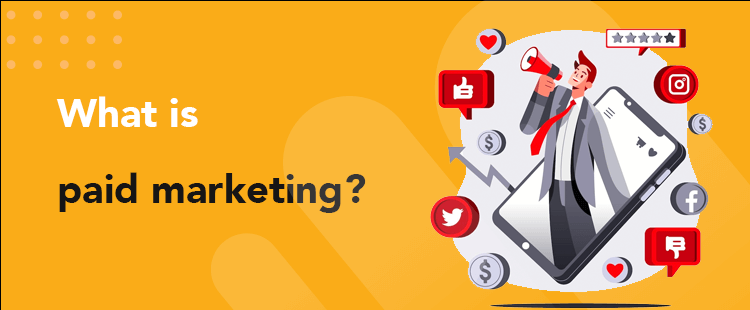
What is Paid Marketing?

paid Marketing

Paid marketing, also known as digital advertising, refers to any marketing strategy in which a brand targets potential customers based on previous interactions with them or their interests. By identifying the right target audience and setting up your goals and objectives B2B marketers can plan their paid media campaigns.

To grow your marketing, you need to be noticed. Organic marketing is one of the best ways to drive traffic to your website, but as we all know it takes lots of time to get mature. With a paid marketing strategy, one can get good results while building a reputation with customers.

Paid campaigns can utilize one or more digital channels which include search engine result pages, social media platforms, and websites. Here are six key points to be taken care of while planning for a paid marketing strategy.

  • Reset & review your benchmarks
  • Build first party first strategy
  • Stay on top of advanced tracking technology
  • Use more paid media channels
  • Roll out master responsive search ads
  • Focus on automation

It is always important to review the set benchmark goals on a regular basis for the expected output. It is always important to look beyond the recurring analysis so that we monitor the campaign performance at the macro level.

Setting up benchmarks can be done in the following ways:

  • Conducting quarterly reviews
  • Visualize your data
  • Use benchmarks

No matter if you are holding up all kinds of PPC reporting, by the end of each quarter you must be able to sit & review how broader trends going on along with your performance. Along with reviews, make use of the available Google Data Studio which helps to provide a more actionable understanding of trends & tools in a hassle-free manner. Most importantly, while comparing against your benchmark, check your performance against the current industry benchmark to make sure you’re staying competitive in the advertising world. The aim is to eradicate all third-party cookies, which is clear & targeting changes are on the horizon. With the help of Facebook lead ads, try to customize your questions to collect all the information you need. Having a strong content strategy helps to build trust through sharing the best about yourself.

According to 2021 HubSpot blog research, when it comes to social media research, it is important for marketers to have a customer-driven marketing strategy.

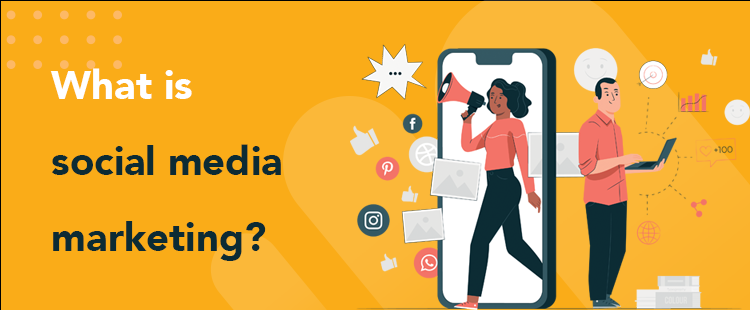
What is Social Media Marketing?

Social Media marketing

The process of creating social media platforms to promote your business products and services in order to drive traffic to your business. In recent days we can see social media is constantly evolving and it is incredibly beneficial for your business. All your strategies must differ based on which social media networks & your audience prefer to spend their time on different platforms. Having a robust marketing strategy will help B2B marketers to reach the target audience in a hassle-free manner.

Facebook:

Facebook is one of the largest social media platforms and well established too for B2B & B2C companies. It has a wide range of advertising tools with generating organic opportunities for any business. A report shows that 1.85 billion people log in to social media platforms daily & Facebook owns 60% of all social logins.  One must optimize Facebook presence to attract and engage visitors & convert them into leads.

  • How to use Facebook for business
  • Engage with your audience
  • Listen to your audience
  • Develop a contest and plan for a giveaway strategy
  • Promote your events
  • Make use of Meta Ads

Though there are many social media platforms popping up, Facebook remains the most popular social network. This is the main reason why one must have a Facebook account and try to connect with the audience on a regular basis. It allows B2B marketers to engage in direct conversation with the target audience through comments, reactions, and messages.


Twitter Ads:

If your business wants to distribute content and share it with users around the globe, then Twitter marketing is well suited for you. The idea of reaching hundreds of millions of leads can be possible with the help of fantastic content is possible by using Twitter for business.

A plan for creating, publishing, and distributing content for your buyer persona can boost conversion, and brand recognition, and improve sales. Though there are many social media marketing tools, Twitter has a unique way of promoting content and offers quick customer support.

Here are brilliant ways to use Twitter for your business

  • Brand your profile
  • Create twitter list
  • Host a Twitter chat/space
  • Organize a contest
  • Use Twitter moments
  • Focus on building followers

In twitter always ensure your content is sharable & you often use unique hashtags. Provide your business with an engaging way for your discussion or events for your company and improve your brand value.

Instagram:

Instagram has a primary advantage over other social media platforms because of its visual nature. If your business wants to design your product or services in a visibly noticeable manner, then Instagram is highly recommended to showcase your products or services. Instagram highly relies on video, images, and illustrations which can act as a great fit for your business compared to other mediums.

YouTube:

With the help of YouTube, you can improve your SEO and overall brand visibility. Want to create unique and easy content for your viewers to consume and share, then YouTube is a smart choice. With the proper strategy and a good amount of time, create, engage, and share good content for your growing audience. With a brief brand plan and goal, you can plan, film, edit, market, and analyze content highly useful for your business.


Linked IN:

In recent years, LinkedIn has become a host for B2B marketing and provides a unique professional experience for prospects & marketers across the globe.

Wrapping Up:

Paid marketing is well known for instant results. With the early traction & quick result, one can formulate paid marketing strategy and target prospects with the SMART objective. With the advent of the internet, digital media are changing drastically and will keep on changing. One must be researching a new campaign and optimize another campaign in order to scale up the paid marketing strategy for your business.

Most needed nurses database

10 Ways To Use LinkedIn For Better Lead Generation

Generating leads is sometimes the most difficult aspect of any marketing campaign. Businesses can make social media into an evergreen source of high-quality leads if they focus their efforts on the proper strategy, channels, experiments, and strengths. It’s simply a matter of employing the appropriate strategies at the appropriate moment. Businesses that implement effective LinkedIn lead generation methods are more likely to increase brand awareness and sales conversion. According to IDC, 75 percent of B2B buyers and 84% of C-level executives have included social media as an “essential strategy” in the “critical responsibilities” of the business-related decision-making process.

Because social media is growing at an exponential rate all around the world, LinkedIn has become one of the most powerful tools for finding new consumers. The rewards can be plentiful if you’re prepared to put in the effort. A company’s first step in producing leads through LinkedIn should be determining its target audience. Second, depending on your industry and what you want to achieve, it’s helpful for firms to define what a lead is. LinkedIn gives you a dedicated platform to connect with the world’s professionals in one location, but if you want to produce genuine B2B leads, you’ll still need to put in the effort. And, in this article, we’ll show you how to use LinkedIn in ten different ways.

1. Optimize Your Company Profile

blog

Filling out your company profile and keeping it up to date can go a long way toward earning your consumers’ confidence and trustworthiness. Completed company pages, according to LinkedIn, earn 30% more weekly views. This is why it’s critical to ensure that all of your information, including your profile and cover photo, is up to date and that it appropriately reflects your company’s brand. Because your company profile is one of the first things people see when they visit your page, you’ll want to make sure it’s up to date and contains accurate information about your firm.

When you’re finished with your company profile, make sure your company description is keyword-optimized. Because LinkedIn profiles frequently appear in Google search results, take advantage of this opportunity to be found by clients searching for relevant keywords by including these terms in your company description. Using these specific keywords can help you reach out to more qualified prospects.

2. Create Value With Your Content

blog

Providing constant content is worth of struggle when it comes to developing an effective LinkedIn Lead Generation Strategy. In today’s world of social media, having a LinkedIn profile can be critical to establishing your company’s legitimacy. It’s critical that you update your company page on a frequent basis in order to engage potential clients and avoid falling behind your competition. It’s worse to have a LinkedIn presence and not maintain it than to not have one at all.

While maintaining a consistent LinkedIn schedule is critical, it’s also critical to concentrate on the material you’re sharing. Remember that LinkedIn is one of the only platforms where you can connect with all of your present and potential customers and clients in one location, so it’s critical that you provide compelling, instructional content that will persuade your target audience. Using a variety of material to attract clients and bring more traffic to your website, such as sharing articles, posting videos, and photos on LinkedIn, can all be beneficial. To increase your credibility and develop social rapport, remember to remark, like, and engage with sites or businesses.

3. Join LinkedIn Groups

blog

Groups can have a huge impact on your personal brand. Find practitioners within your firm and throughout the industry using Advanced Search. By paying attention to the discussions in these groups, you can learn a lot about your sector. You might learn about new industry-wide pain issues and solutions to those pain points. Learn more about your industry by seeing it from afar. This will provide you with practical, day-to-day insight into how you can assist and connect.

4. Generate Leads Through Sales Navigator

blog

The most common tool for generating leads via LinkedIn is Sales Navigator, which uses an automated search tool with different filters to narrow your target group and locate new prospects. With so many companies on LinkedIn, selecting prospects can be difficult, resulting in time wasted on unqualified leads. You can find your ideal prospect with Sales Navigator by using the platform’s advanced search tools to target your ideal customer and enhance your conversion possibilities.

Sales Navigator also enables you to acquire insights into your target demographic, allowing you to gain a better understanding of your clients and so improve your overall sales process. Sign up for a 30-day free trial of Sales Navigator to learn more about the platform and start building your prospect list based on your different buyer profiles or criteria. If you don’t have the time or don’t feel comfortable doing it yourself, we can assist you in getting started and running your campaigns.

5. Leverage connections with current customers and clients

LinkedIn’s biggest feature is networking, and you should take advantage of this function for lead creation. Connect with current customers and clients on LinkedIn, and learn about their industry connections, as they may be of interest to you. Ask for referrals, references, or just learn how to contact a connection they have that matches your customer profile if you have relationships with existing clients you connect with.

Due to the fact that LinkedIn is a professional network, such requests are less intrusive, obnoxious, and sales than cold contacting someone after obtaining their phone number online. Leads can accept your invitation to connect, go through your profile, and perceive your common connection as a seal of approval.

6. Maintain a consistent presence on the platform

blog

LinkedIn, like all of your other social media accounts, necessitates consistency. You’re not establishing yourself as a consistent presence with your contacts if you upload an article once a week and then log out. You should also keep in touch with your leads on a regular basis. Disappearing in the middle of a conversation is not a good look, and it does not increase their desire to conduct business with you.

7. Engage with Influencers

blog

Collaboration can be beneficial to your company. You can build helpful networks by collaborating with other experts or influencers. Collaboration allows you and another user to complement each other’s strengths, resulting in mutual growth.

One of your videos or blog entries, for example, could be a shared review or interview. You could discuss a topic about which both you and your collaborator are knowledgeable. By engaging with each other’s viewers, you may both expand your potential viewership and grow your network.

8. Farm LinkedIn Recommendations

blog

You can get a “recommendation” on LinkedIn. These are essentially testimonials from other users who can describe you as an expert in specific fields. If someone compliments you on your work, remember to thank them and ask for a recommendation. This will begin to provide proof of your abilities in the eyes of others.

It’s important to note that these suggestions are not the same as testimonials. Potential clients might look up who is giving the suggestions to ensure that they are coming from actual people. This gives them a one-of-a-kind worth that you wouldn’t have otherwise.

9. Move to Convert

blog

Once you’ve acquired a potential client, make sure to transition them to a different mode of communication. This could be done via instant messaging, phone, or even face-to-face communication. You may make a more personal relationship by adding more points of contact. Then you may start the process of converting them from a lead to a paying customer.

10. Target high-value prospects with Ads

blog

LinkedIn Ads are the most effective approach to ensure that your content is viewed by the correct people, yet the network is notorious for being one of the most expensive PPC platforms (those pesky CPCs!). Naturally, this scares many B2B marketers away from LinkedIn, but higher CPCs don’t automatically mean you’ll lose money. Targeting the highest-value audiences you can find – in other words, the most profitable prospects – is the key to LinkedIn advertising success.

A software company selling business management products, for example, could wish to concentrate on enterprise brands that will spend the most per conversion. You may pay more per lead on LinkedIn than you would on Google Ads, but LinkedIn allows you to guarantee your ads are being seen by enterprise decision-makers.


Final Thoughts

To summarize, a successful LinkedIn marketing campaign takes both time and meticulous planning. Maintaining your company profile, creating a systematic and consistent content schedule, and using Sales Navigator to target your potential customers to form connections, build relationships, and produce new leads are all essential components of successful LinkedIn lead creation.

As of now, LinkedIn is the most reputable and least saturated social site, making it simple to bring your business in front of targeted and massive audiences. LinkedIn will continue to grow and be used as effective marketing, sales, and networking tool as more people spend more time online as a result of the current pandemic. LinkedIn has the potential to become your number one lead generator if used correctly, therefore it’s critical to incorporate it into your digital marketing strategy for 2022.‍

vertical Marketing

Everything You Need to Know About Vertical Marketing System

When you just start to create your business and brand, your digital marketing strategy should be informed by who your target audience is. Selecting your target audience — the people who will buy from you and eventually become brand advocates — involves numerous factors. However, you must first determine whether a vertical marketing approach is appropriate for your business. After all, it’s usually the greatest solution when you want to focus on a very specific market.

Horizontal or vertical marketing systems are commonly used by businesses to efficiently create and sell their items to their customers. Producers, wholesalers, and retailers collaborate in a vertical marketing system to increase revenues and streamline operations. We clarify what a vertical marketing system is, the three basic varieties, the benefits and potential pitfalls of employing one, and how to choose the ideal type for your organization in this post.

What is a Vertical Marketing System?

A vertical Marketing System is one in which manufacturers, wholesalers, and retailers collaborate to meet the demands of their clients. It allows a single business to have complete control over the manufacturing and distribution of a product.

Producers, wholesalers, and retailers often function as independent entities in traditional marketing systems—or horizontal marketing systems—trying to maximize their own profits. While this may allow each business more independence, it may also lead to increased conflict and competitiveness, resulting in both entities losing money.

What sort of companies use Vertical Marketing?

Now that you have a good understanding of what vertical marketing is, it’s time to learn about the types of businesses that employ it. So, to appeal to their small target groups, enterprises that offer highly specialized products frequently utilize vertical marketing. Companies employ this method to build target demographics for a product that has trouble appealing to a larger audience.

Vertical marketing is the appropriate fit for you if you’re a firm that struggles to advertise products to a larger audience.

The Purpose Of Vertical Marketing System

If you want to go into vertical marketing, you should first understand why it exists. It is, as I previously stated, a technique for identifying your company as a specialty specialist. As a vertical marketer, you position yourself as the ultimate expert in a particular field. You’ll need a highly developed method for generating, promoting, and distributing your products in order to carve out a specialized niche.

As a result, you could say that the goal of vertical marketing is to target a specific audience based on the product you’re selling.

Types of Vertical Marketing Systems:

This vertical marketing system is divided into three parts which are explained in detail as given below:-

The corporate system

When all aspects of the distribution channel are streamlined under the direction of a single company, it is referred to as a corporate system. Because the corporate system excludes the function of a middleman, all transactions are conducted internally. Using a corporate system to its full potential allows a corporation to have complete control over the items it produces and the path it takes.

Apple Inc., for example, creates its own things and manufactures them. These items can be purchased at the company’s own retail locations. They don’t need to rely on anyone to produce or sell their goods.

The contractual system

In a contractual system, each partner in the distribution chain works independently and coordinates their efforts through a written agreement. They must collaborate to improve efficiency and utilize economies of scale, allowing for more competitive pricing. This is also known as a “value-added partnership,” in which they coordinate their tactics through contracts to avoid channel conflict that may result from individual goals.

A popular type of contractual vertical marketing structure is franchising. A franchise agreement is one in which one party (the franchiser) allows another party (the franchisee) the right to use the franchiser’s trademark or brand name, as well as specified business processes and systems, to create and market a product or service in accordance with certain standards.

The administered system

There is no formal contractual tie or corporate ownership of the distribution route among participants in a managed vertical marketing system. Instead, the size and strength of a single person have an impact on their operations. Simply said, any strong and powerful member of the production and distribution chain has a disproportionate influence over the activities of other members of the channel.

Walmart, for example, is a good illustration of this type of company. Walmart is large enough and powerful enough to manage such a system. Most small firms lack the power to run such a system, but they may find it vital to work with a producer or distributor who does.

Why Should You Invest in a Vertical Marketing System?

What benefits can a vertical marketing system provide your company? Depending on your business needs, it may or may not be the best option for you, but here are some of the most typical advantages.

Improved Efficiency

Within a vertical marketing structure, those who produce, wholesale, and retail all work together to achieve a similar goal. Because every company has the same goal in mind, there is a greater drive to design systems that are more efficient in general.

More Effective Branding

You have a unique opportunity to discover your key message when you can focus your marketing efforts on specific industries and customers, improving the chances of brand awareness. By offering a particular product, you may establish your company as an industry authority. Finally, you’ll be able to demonstrate a deeper grasp of your client’s demands, allowing you to earn their trust and stand out from the crowd.

Enhanced Communication

Communication and relationships tend to be better overall when all companies work together. Everyone in the supply chain should communicate with one another on a regular basis, providing updates and adhering to the same rules. This can lead to improved outcomes, increased profits, and happier consumers.

Develop Brand-New Ideas

It’s a lot easier to learn about customer insights from within your market, which gives you the opportunity to create new products and/or services. The brands that use a vertical marketing structure are more often than not the ones who can produce the most unique concepts.

How to choose a vertical marketing system?

Follow these steps when choosing a vertical marketing system:

Consider your resources

The vertical marketing system you select is determined by your current resources. You may wish to use a corporate vertical marketing strategy for your business if you have the revenue, experience, and personnel to build your own production, wholesale, and retail departments. Consider proposing a contractual collaboration if you see another company has the resources you require. Finally, if you’re big enough to make the rules, you might already be a vertical marketing system that’s been administered.

Define your goals

Developing your own vertical marketing system necessitates a great deal of planning and resources. Consider what you want to accomplish by merging all components of your marketing strategy. This marketing technique may be appropriate for your brand if you need more resources and want less competition. If your business thrives on a little competition, you might want to hold off from teaming.

Define your goals

Consider hiring a consultant if you’re still unclear about which vertical marketing business strategy is appropriate for your company. A business marketing expert can assist you in determining the size, resources, constraints, and needs of your company so that you can make more informed decisions. Look for someone who has worked in your field and has solid experience in business marketing.

Wrapping Up

A vertical marketing system is a novel approach to traditional marketing. It assures that numerous organizations (typically) may work together to meet consumer needs, increase income, and cut costs. A vertical marketing strategy, when addressed correctly and with a lot of patience and forethought, has the ability to take your business to the next level.

email Marketing

Outsource Email Marketing: Reasons & Best Practices

“There is no formula for the perfect email- Authentic and honest messaging works”

The covid-19 pandemic brought tremendous to the way we operate the business. As the world started towards moving many digital strategies, a question that keeps coming up for every business is “Is the email market important”?

If you are into any type of industry and want to grow your business, then the answer is simple Yes. Creating a strong email marketing strategy helps you expand your audience base and connect with them in a personalized way. This can gradually improve sales at an affordable price.  With the advancement in tools and other communication platforms,  email marketing still has the ability to connect with prospects in a hassle-free manner.

A report by Hubspot shows out of 196 billion emails, the majority of it 109 billion is business email. To put it in a simple context. Email marketing is the best and most vibrant way to connect with people. It is also considered a very personal way of reaching out to your target customers. It can be tailored to customer actions so as to connect with the prospect of relevant interest.

Not having enough bandwidth to build your own email list, but interested in connecting with loyal customers and increasing your ROI at an affordable price then probably you must outsource your marketing email. We at LogiChannel believe tips for email marketing change every year. Among all outsourcing email marketing is healthy for your business if you want to focus on your research and development of the products. With the growing needs, we understand everyone is into new ventures and wear multiple hats.

As the business grows, the smart organization tends to delegate the task it can. So one such task is email marketing. This is because of carrying out regular marketing activities and managing operational expenses within budget along with limited time and resources. Here comes the next billion-dollar question!!

What is Outsourced Email Marketing?

When an outside company sends tends to send promotional emails on your behalf, then it is called Outsourced Email Marketing. It is can be in the form of email newsletters, social medial marketing, and other advertising channels.

Email marketing is considered to be one of the specialized skill sets in digital marketing. Hence, make sure it must be outsourced to skilled professionals.

There are numerous benefits of email marketing as it is not limited to just sending an occasional newsletter. A well-researched and strong email strategy helps the brand to stay ahead of competitors and rank high in the search engine result.

Why email marketing is important?

The use of email communication in a marketing strategy to connect with specific business goals is referred to as Email Marketing. Email marketing can be used to generate high sales and improve customer engagement, acquire new customers, and reward loyal customers.

For existing customers, email marketing helps to establish proper communication and awareness. For potential clients, it can be used to attract their needs through B2B campaigns.

We all know Marketing strategy is ever-changing, hence we must ensure our email campaign must be segmented in a brilliant way to cater to the different business needs.

Different types of Email Marketing Campaigns include:

  • Newsletter
  • Welcome Messages
  • Anniversary or birthday wishes
  • Limited time offers
  • Abandoned cart emails

So here comes the next big question what is the email marketing task you can outsource?

As a B2B marketer email database service provider, we believe there are plenty of reasons to outsource email marketing services. The main one among all is the ease of functional operations. Ideally employing a third-party marketing company or a marketing expert to handle the company’s marketing organization is often termed “Outsourced Marketing”.

Below given are the major email marketing services that are outsourced often:

  • Market Analysis or Market Research
  • Planning & Strategy
  • Creative Projects
  • Marketing and Sales Operations

Market Analysis:

The comprehensive examination of a company’s market, rivals, and consumers is considered to be Market Research. This helps in assisting and determining the company’s brand USP(Unique Selling Products) and understanding your consumer’s requirements. It is a simple technique that helps B2B marketers to understand buyers persona and reach out to them via email.

Doing in-house research and analysis may be time-consuming. Hence, you can connect with agencies to provide you with the necessary data you require and execute a well-planned email strategy.

Planning & Strategy:

With a well-planned email marketing strategy, you can rebuild your brand image. It is a brilliant way to determine when and how your brand must be introduced to the market. A digital marketing company may help you in developing a brand marketing strategy for strong email campaigns. It helps in positioning, brand, and developing a unique proposition.

Marketing and sales operations:

Improve the overall marketing process from planning, implementation to measurement by outsourcing to an organization. An outsourced agency is responsible for planning a project, implementing creative processes, and improving brand consistency along with marketing results.

Benefits Of Outsourcing Email Marketing:

Bringing Fresh Perspective to Projects:

Convey your brand story to your target market through the various web, social media, email campaigns, and more. From logos, websites, apps, emails, newsletters, and marketing campaigns to lead generation, you can bring life to B2B campaigns.

Outsourcing Marketing Analytics:

Marketing intelligence is all about how well data are used. If in-house expertise is not available, then making efforts to understand and get that extra nugget of marketing insights may improve your sales drastically.

Engage with the audience with quality writing:

By outsourcing email marketing, you can connect with a skilled writer with eye-catching headlines to target specific segments of your email marketing. Generate sales using data to design in email templates. It helps your customer retention for best practices. We believe email marketing is consistent, and it improves trust in your brand. Perfect timely email plays a vital part of your B2B marketing strategy.

Improve your ROI:

Monitor changes in the email provider permissions to prevent bouncing in email marketing.  Personalizing is essential and plays a huge part in marketing success. It helps to keep your customer foremost and achieve your business goals.  It creates building brand awareness in a cost-effective manner.

Time Efficient:

In a long run, outsourcing will be time-consuming as it frees up valuable time for important aspects of driving higher sales along with improving customer experience. When it comes to email marketing, you can create an entire B2B campaign on a shorter cycle, and ensure your audience sees the right emails at the right time. When prospects are connected at the right time, it helps to nurture leads and improves conversions.

Choose an email campaign type based on your goals:

We all know email campaigns vary based on your business goals. As there are different types of email campaigns, outsourcing agencies can decide what works best for your audience. Set up different lists for different types of emails, so that customers and prospects can be connected to the products and services of their choices or they are interested in.

Wrapping Up:

B2B marketers always face challenges in establishing familiarity with customers. It is important for marketers to establish business relationships and connect with the audience for a successful email campaign. Outsourcing email marketing is one of the best solutions for maximizing and reaping good ROI for all your B2B campaigns. Though the email sourcing option is highly recommended on your budget and the nature of the campaign, choose a wise agency as it defines an established relationship with your customers and prospects.

Intelligent Marketing Database

Intelligent Marketing Database: What Is It And Why You Should Care?

“You can have data without information, but you cannot have information without data” – Danial Keys Moran

With the tremendous change around us, owning a big data database is not enough to survive in the business world. If you want to stand apart from your competitors, then having an intelligent marketing database is highly recommended for you.  Focusing on a good database helps you to grow sales & stay ahead of your competitors. With good data, you can make the right decision for better analysis & improve your overall performance.

What is Intelligent Marketing Database?

The word Intelligence does wonders here. It differentiates regular database which contains unnecessary & irrelevant data to provide complete 360 degrees of target customers. Such types of smart databases have multi-dimensional information which is highly recommended for rolling out B2B campaigns at reduced cost with improved benefits.

Any marketing database must be capable of targeting customers at the right time in a hassle-free manner. In order to match the growing needs of customer needs & expectations as B2B marketers, we must be ready to accommodate then changes effectively.  It plays a key role to understand the current market state which can be profitable for the smooth running of the business. An intelligent marketing database focuses on getting a holistic view of understanding the entire market, not just an organization.

An intelligent marketing database is closely associated with market research and comprises three major parts which include competitor intelligence, product intelligence & market intelligence. A perfect blend of all these three makes your database smart & they add value to your business decisions & improve profits effortlessly.

Product Intelligence:

Gathering all information related to competitors & similar products contributes to product intelligence. This helps to understand why a competitor’s product does well when compared to your product & helps to identify the area which requires high attention. Understanding these standards helps the company to strategically launch its models at the right time with the right price.

Market Understanding:

Knowing the current market size & trends helps you survive in the global market. Having a clear understanding of what is in demand & what the customer wants can improve your revenue & market share.

Customer Understanding:

Market research was broad & strategic which describes the environment what type of audience must be targeted. Customers must be approached based on their business requirements and how your products can be leveraged for their business.

Importance of database marketing:

Today’s marketers have complete access to customer data. Thanks to advanced marketing tools. Because of database marketing, you can use collected data to create more marketing messages and attract potential prospects.

Benefits of database marketing:

We all want a personalized experience with the brand we like right? So have you ever wondered how marketers achieve it? To deliver one, marketers prepare a unified view of customers across each and every touchpoint. This helps in understanding the customer journey and helps marketers to engage them in a meaningful way. Having a clear customer database can help you in many ways:

  • Helps to group customers based on their purchase history
  • Creates detailed customer segment based on demographics, behaviors or personal interest
  • Helps to design highly personalized messages to customers and prospects
  • Determines the best channel and time to engage with customers
  • Improves your time and marketing efficiency, eliminating time on prospects not responding
  • Builds effective loyalty programs
  • Provides a complete 360-degree view of customer service
  • Boost the overall performance of an organization
  • Provides clear insights of key decision-makers
  • Optimizes resource allocation
  • Improves sales revenues
  • Generates more quality leads

Handle Customer Engagement Intelligently:

Revenue & retention are possible with a well-optimized customer experience.  If it gets right, it can turn into customer insight. With the advancement of marketing tools, customer experience is more engaging. Even messenger these days becomes even more popular customer service channel which can help in generating new leads & retain existing customers.  Using these tools you can collect customer insights to understand them better.

Create Buyer Persona:

Using generic demographics in developing buyer persona is not a great idea. Try to get deeper into customer preference using Google analytics, Social Media outlets, and professional forums to connect with customers more effectively. Make use of proper keywords and descriptions to create a buyer persona that describes your services.

Generate Data From Customer Analytics:

From clicking on the link through a web page, customers can get valuable insights to understand customer behavior. With advanced tools in determining customer interaction with your website,    gather high insights on the page and reduce bounce rate.

Predict & Plan future:

Having a detailed plan for future customer engagement is as important as creating a plan for the present. With the predictive modeling software, you can identify cyclical patterns and trends which can be used for important decision making.

Getting a deeper understanding of your position in the market:

In the global market, a well-built intelligence process will give insights that can help you to understand the current in-depth. It also gives your position in the market along with your competitor. You will get to know the current market demand and what needs to be done to meet the growing needs of the end customer.  As you will be using collected information for analysis and metrics you need to execute well-planned strategies accordingly to create a win-win situation for you.

Evaluate your product and service:

Familiarize your products and services already available in the market along with current trends, features & specifications. This activity helps you to evaluate your product and service and it helps in making strategies for improving sales.

Target Right Audience:

With an effective market intelligence process, determine the gender, age, location, likes & interests of ideal customers well suited for promoting your products & services. There are various marketing intelligence techniques that can be used across various audiences aiming at connecting with customers who fit into your customer personas effectively.

Do Competitor Analysis:

Competitor analysis is one of the significant parts of building any intelligent marketing database. This activity contributes complete information which can be used to conduct a competitor analysis to get a deep understanding of your strength & weakness. Get real-time data to understand the raising consumer opinion & be more customers centric. Competitor analysis improves your upselling opportunities with low risk.

Wrapping up:

With the advancement in the analytics & recording tools, you can connect with customer & prospect touchpoints effectively. The ultimate goal here is to build a firm foundation as per quality customer data. Use collected data to grow your business & develop as a brand champion. The intelligent marketing database allows your sales and marketing teams to focus on the business goal and grow your revenue drastically.  Invest in the right intelligence marketing database to build strategic account plans and discover new opportunities which are aligned with your sales & marketing goals.

email Campaign

10 Tips To Land In Your Prospect’s Inbox

A common debate in the sales community is how to reach out to a prospect for the prospect- call or email? The first interaction with the prospect is a crucial aspect to establishing trust & gathering key information. Among all the marketing strategies email is considered as a central pillar of B2B marketing which can improve sales & revenue. Stat from campaign monitor shows email marketing is a winning strategy that helps to improve ROI.

In the blog we’ll discuss the top 10 tips to land in your prospects inbox:

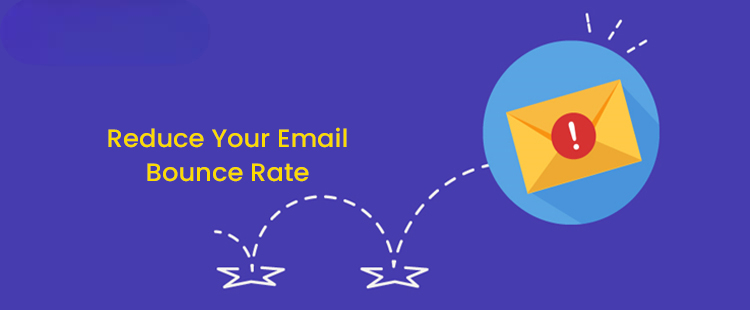
Reduce Your Email Bounce Rate:

Reduce Your Email-Bounce Rate

Your sender reputation suffers if the email bounce rate is high. If your email bounces a portion of your prospect and customer may never get your email messages. A high email bounce rate may hurt your email deliverability. There are many ways to reduce bounce rate, here are a few tips to help you.

Your sender reputation suffers if the email bounce rate is high. If your email bounces a portion of your prospect and customer may never get your email messages. A high email bounce rate may hurt your email deliverability. There are many ways to reduce bounce rate, here are a few tips to help you.

  • Optimize your page loading time
  • Improve content readability
  • Avoid POP ups
  • Improve your storytelling
  • Prioritize the user experience
  • Attract the right visitors

Build Your Brand Reputation:

Build Your Brand Reputation

Building your reputation helps to encourage your name with brand identity. Businesses with strong reputations attract better people and opportunities. Improve your sales figures by expanding your market base. Once you know the target, you can build an audience based on their characteristics such as location, company profile, Job title, revenue, Technology, market size & more. When an ideal customer profile & buyer persona is available handy, you can focus on them & get immediate results.

Segment Your Email List:

Segment Your Email List

Without strong email list segmentation, you can’t personalize your emails. The segment can be categorized based on demography, like & dislikes, pain points & more. Segmentation can be used as a tactic to deliver more relevant email marketing to existing subscribers or prospects. List segmentation is a smart choice to send more relevant content. Hence logic channel being a pioneer in email database service helps in splitting & segmenting of target audience based on certain characteristics which can help B2B marketers in improving relevance.

Research About Your Prospects:

Research About Your Prospects

Researching your prospects helps you to get ideas about personalizing your email & validates if the prospects can fit into your ideal customer profile. The first step towards successful email prospecting understands the needs. Once your prospect need is clear, make use of the social proof to influence & make an activity out of it. Social proofs have a higher chance of improving the response rate for prospects.

Get Right Subject Line & Include Signature:

A strong subject line encourages prospects to open your email. It creates the brand’s first impression to open your email. So the key takeaway, craft your email well. Wondering how?

Have more than one subject line for your personalized target audience.
Hold back on using too much punctuation like exclamation marks
Make sure of powerful phrases and words.

Include your company’s electronic business card in every mail you send. It gives prospects a sense of confidence which may help them to address legal concerns without any hesitation. Among all, it gives additional options for prospects to connect you through the other available communication medium. Name, position, company website & company phone numbers are the key attributes a basic email signature must-have.

Include Call To Action:

Include Call To Action

The best way to make use of a call to action is to include a call to action in it. Prospects show strong interest to learn more about you & your company at the first go. Call to action can drive direct traffic to your website & other social media profiles. Alternatively, direct recipients can schedule a quick demo, register for webinars, polls,s and more. Call To Action can directly impact your conversion rate, hence make sure you map out the correct path to conversion to ensure smooth & logical flow.

Set Your Email Timing Right:

We all know leads & prospects will read your emails at different times. With the geographical barriers around the prospects, make use of the email automation tools to track the most time when your prospects open or read your email. Once optimal time is identified, send emails accordingly to improve your click-through rate. The General Thumb rule for email marketing avoids sending marketing emails over weekends. Hence weekends are considered as an inappropriate time to send promotional & discounts.

Set Your Email Frequency Right:

No one wants their mailbox to be bombarded with too many promotional emails from one particular brand. If email frequency is not set right, it can bring down your email open rate. In the worst-case prospect can also blacklist you as spam. Any email campaign must keep your audience engaged rather than overloading their mailbox. Make use of the email frequency safeguard feature which allows B2B marketers to set the maximum number of marketing emails to connect with a contact in a given period.

Avoid Unsolicited Emails:

Avoid Unsolicited Emails

Recipients are always expecting marketers to be fairly transparent. Don’t take advantage of prospects that have ticked the opt-in checkbox. Send promotional emails based on the recipient’s interest in your brand & products. Wait for the right time & demonstrate the right value in creating a unique opportunity for your business. Always provide them insightful feedback about the requirement they approach you. Keep your email short & crisp.  No one will take time to read a long & boring email. The ultimate aim of a prospecting email is to get elicit a response.

Add Value To Your Recipients:

Create customer-focused mindset mails to understand your audience & their business requirements. Your email must be directed at delivering relevant content & solution that can help your recipients to get benefits out of your products. With exclusive offers & deals, you can curate the urge your prospects to open your email & read. Here, the main focus of marketers is to be helping the prospect to understand how they can benefit from using your products or service. Pinpoint a key benefit for your prospect that would solve their problem using your products or service.

Keep Regular Track Of Trigger Events & Follow Up Events:

With modern tools & techniques instead of following up with prospects randomly, you can set trigger events to create a personalized mail that recipients are interested in or more likely to respond immediately. For instance, trigger events include product launches, vacations, birthdays, and more. Make use of Google Alerts to set up a notification when a specific prospect, company, or product is mentioned on the web.

Wrapping Up:

Landing in the prospect mailbox is directly proportional to finding the best interest of their customers. The ultimate goal is to make sure the relevant emails land in their customer’s inbox rather than sending unwanted mail & getting marked as spam. LogiChannel always looking for the best interest of prospects & constantly review success metrics which will be sender authentication & engagement ratio.

5 Reasons Why Customers Switch Brands

5 Reasons Why Customers Switch Brands

In today’s extremely competitive market, new companies are launching products similar to yours on a daily basis. As a result, even a small blunder in keeping clients satisfied can cost you a lot of money. Someone else’s loss could be someone else’s gain. You will lose clients to your competitors the instant you irritate them with ineffective services. You simply cannot afford to divert your focus away from providing your customers with a positive experience every time they do business with you. Prepare new ideas and offerings to keep existing consumers happy while also attracting new ones.

If you want to be successful in business, brand switching is a crucial topic that you should consider. It is widely known that obtaining new consumers is more expensive than keeping existing ones. To put it another way, if you know how to keep your clients, you’ll have a better chance of cutting costs while keeping or increasing revenues.

What is Brand Switching?

Brand switching is a behaviour of a customers switching one company to another or one brand to another for purchasing product ot availing services. It’s a simple concept, but preventing it from happening to your customers is a whole different situation.

Reasons For Loosing Your Customers

You might be surprised as to why people switch brands. What drives people to behave the way they do? We’ve put together a list of explanations to alleviate your fears, give you a better understanding of the scenario, and help you learn from it so you don’t lose customers.

The annoyance of SMS Marketing

Customers will be irritated by Messaging that is ambiguous and meaningless. If customers continue to get spam communications in bulk without a call-to-action or useful information, they are likely to disregard them. Such desperate effort adds to building a poor impression on the SMS recipients towards the company from whom they are receiving it. If clients flag your messages as spam, it will harm your overall reputation and lead them to purchase the identical product from a competitor.

Wrongly Timed Marketing Calls

Would you like to be woken up in the middle of the night on a weekend? Aren’t you going to be angry if you get phone calls in the middle of a meeting? Of course, you will, and your consumers will as well. Everyone is irritated by marketing calls since they are received at inconvenient times. Customers continue to receive abrupt calls regarding loans, property for sale, or general surveys even after subscribing to the Do Not Disturb Programme (DND). Customers who receive such unwanted calls become irritated and begin to have negative feelings about your company. As a result, you must avoid making such calls or risk losing your consumers to others.

Asking for Feedback

Customers adore their personal space. They will not be pleased if you continue to poke them with feedback requests. Rather, such intrusions into their personal space irritate them. It is their choice whether or not to provide feedback. You can’t make people do anything they don’t want to do. Give them your time, and if they like what you’re doing, they’ll immediately praise and rate you. It will not be necessary for you to plead for it.

Unwanted Emails

Customers are frequently required to sign up for email newsletters or promotional offers when purchasing any product from your website. However, the vast majority of people despise receiving such emails and are compelled to express their dissatisfaction. Customers will either ignore, discard, or report your emails as spam if you continue to send them. So, how does it proceed from here? Simple is the answer. Customers who are bombarded with unwanted emails eventually unsubscribe and go to a different brand.

Pointless App Updates

Frequent demands for updates irritate customers. Your developers will occasionally add new features to your program in order to make it more advanced. However, these updates not only eat a significant portion of your data pack, but they are also useless in the eyes of your customers. Don’t let things get to the point where clients are turning away from your company. Marketers frequently overlook what customers want in their efforts to sell more things. You’re not going to help your business by bombarding them with emails, offers, and services. Marketing should be done not only to sell but also to retain cuatomers by offering a positive experience.

Mismatch Between Price And Value

Consumers will always have a brand affinity, which is one of the first things you should know. A consumer’s “love” for a particular brand is known as brand affinity. Keep in mind that each customer will have a distinct level of affinity for a particular brand. There are people who will pay absurd amounts of money to get their hands on a particular brand. Others, on the other hand, are unconcerned about the brand and will choose a preferred brand as long as the price difference isn’t too significant. And it is at this point that the concept of price or value enters the picture.

Consumers will always choose their favored brand up to a certain extent, as previously stated. The main limiting issue, however, is the cost. Simply put, your clients will prefer your brand and will pay more for it even if it is more expensive than the competition. They will, however, switch if the mark-up becomes too high.

Non-Satisfactory Customer Service

Customer service is the one factor that will trigger a significant shift in brand perception. A single poorly handled instance will, in most cases, cause a customer to dislike, if not outright despise, your brand to the point that they will tell everyone about it. As a result, when it comes to client service, you cannot afford to cut corners. You should, at the absolute least, have a system in place that responds to a consumer as quickly as feasible.

Wrapping Up

Overall, the reasons for switching from one brand to another are as follows. There could be a few more. Influencers are those who buy a product and then persuade others to buy the same product. Similarly, word of mouth and social perception are both unspoken reasons why a customer might switch brands.

I’ve also stated what you can do to avoid switching brands in the points above. A percentage of your clients will always switch brands. For start-ups, the percentage of customers that abandon your brand may be larger than for established businesses. Brand switching is acceptable as long as it is limited to a previously agreed value.

Ways To Accelerate B2B Sales Cycle

How To Accelerate B2B Sales Cycle

The length of your sales cycle has a significant impact on your company’s performance. Your cash-flow rate, financial planning, inventory control, marketing schedule, and sales strategy are all impacted by the length of your sales cycle. The simple truth is that the sooner you can turn around sales, the faster your firm will develop, whereas the longer your sales cycle, the more likely you are to run into cash-flow issues and go out of business. As a result, a strategy to shorten the sales cycle is something you should consider.

What is B2B Sales Cycle?

A ‘Sales Cycle’ is a series of steps that salespeople do in order to close a new account. Sales cycles are frequently confused with sales processes, which are frameworks for putting sales cycles into action. The sales cycle is more tactical, with steps like “prospect,” “connect,” “research,” “present,” and “close.”

Having a sales cycle in place is in your company’s best interests. It helps you organize your sales funnel, prioritize leads, and assess the effectiveness of your sales activities. A well-defined sales cycle provides your representatives with a detailed roadmap and common reference points to guarantee that they and their peers are on the same page.

Stages of B2B Sales Cycle

Stage 1 – Prospecting

The search for prospects is the initial step in the sales process. This entails using several channels to discover people, firms, or organizations who are likely to be interested in your commercial offer, such as:

  • Marketing, particularly inbound marketing;
  • Professional social networking sites like LinkedIn;
  • Meetings with people in person at professional events

Using Outbound Sales methods, a salesperson can search directly for professionals on social media and immediately engage their prospects with tailored e-mail sequences. Inbound Marketing also allows passive prospecting by allowing interested prospects to discover products/services on their own through content. This indicates that the prospect will contact the salesperson on his own initiative.

Stage 2 – The Pre-Approach

The pre-approach is an important part of the B2B sales cycle since it is when the salesperson gathers information about his prospect. Previously, this task was done solely on the basis of information about the company gathered from one’s surroundings, such as through one’s network.

In the age of Social Selling, it’s less uncommon for a salesperson to communicate with a prospect via social media and to juggle the phases by anticipating his queries. Without going into the tools for data consolidation, which may provide information on a prospect’s function, his company’s income, and so on.

Stage 3 – The Approach

Before the internet, the only way to contact a potential customer was to walk door-to-door or make a cold call. It is possible to automatically identify a prospect’s interest and focus on those with the most potential thanks to Marketing and Sales Automation technologies, as well as Cold Calling 2.0.

This method, incidentally, is virtually solely the duty of the Sales Development Representative, who does the gauging before passing it on to an Account Executive.

Stage 4 – The Presentation

The “prepared sales presentation” (or “planned salesperson pitch”) was one of the first presentation strategies developed to boost salespeople’s efficiency.

This method was quite effective in ensuring that the salespeople’s speech was consistent. To avoid salespeople having to travel, it is now preferable to interact via a personalized online presentation.

Stage 5 – The Overcoming of Objections

At this point, a salesperson from the modern period would have done all possible to overcome his prospect’s concerns with the sole purpose of persuading each one to buy his product and close the sale.

However, we now recognize the need of taking a client-centric approach and ensuring that the product/service meets the demands of the prospective customer. Lead nurturing is increasingly being utilized to mature a prospect before moving on to the sales stage.

Stage 6 – The Closing

While a straightforward sale may seem appealing in the near term, it does not win the client’s loyalty or create a virtuous B2B sales cycle. Even if the client gets the impression of being accompanied through the sale, particularly as a result of the advice, a sale will ultimately fetch more.

Stage 7 – The After Sales Follow-Up

The after-sales follow-up stage of the B2B sales cycle cannot be limited to the sending of a letter/flyer and a few freebies (even if this reinforces the connection with your client).

The Customer Success job, which is responsible for following up with clients, is becoming increasingly important in terms of maintaining clients, following up with them, and obtaining valuable recommendations from their networks.

How To Accelerate Your B2B Sales Cycle

If you’re wondering how to improve your sales cycle – or, more accurately, how to accelerate the sales cycle – we’ve got you covered. By minimizing the time it takes to convert a prospect into a customer, the tactics for shortening your B2B sales cycle phases outlined below will help you close more sales, make more money, and gain a head start on your competitors.

Refine Your Target Market

By narrowing down your target audience to those who you can identify as actual potential clients – ones who would derive real value from your products or services – you’ll spend less time trying to sell to someone who’s just not interested, and you can focus instead on those who you should be able to move swiftly, and successfully, through your B2B sales cycle stages.

Nurture Your Leads

Begin by segregating your contacts into lists of casual browsers and those who are unlikely to make a purchase anytime soon. These are the leads that must be nurtured before being forwarded to sales. For a quicker sales pipeline, lead nurturing allows your sales staff to focus on qualified, ready-to-buy prospects.

Know The Right Time To Make Your Move

As they say, timing is everything. As a result, you should become familiar with your clients’ journey and be able to pinpoint exactly when your services become most beneficial to them and when they are most likely to make a purchase choice.

Create A Joint Engagement Plan

It’s a document that illustrates how a working relationship between you and your prospect might appear. When you provide a JEP with your prospects immediately at the start of the B2B sales cycle, it aids them in making a faster and more informed purchase decision.

Understand the Decision-Making Process

Inquire about the timeliness of your prospects. Before making a decision, find out what they want to know and who is engaged in the decision. You’ll be on your way to success if you figure out their requirements and what they want to learn about the business. Their responses will offer you a sense of how their evaluation will proceed, allowing you to customize a lead management strategy to your specific target audience or profile.

Automate Where Possible

Evaluate the CRM pipeline’s various phases and determine which tasks can and should be automated. Automating sales activities aids in lead scoring as well as sales process improvement, ensuring that leads are not overlooked or forgotten. Users have seen a 14.5 percent improvement in sales productivity when automating lead nurturing operations like email campaigns and follow-ups. Sales reps can now spend more time pursuing well-qualified leads.

Make Sales Your Primary Focus

It’s not uncommon to wear multiple hats in your profession, whether you’re a business owner or a sales representative. However, if selling is one of your responsibilities, the more energy you can dedicate to sales rather than administrative or other tasks, the more time you’ll have to spend on things like identifying new prospects and following up with those you already have.

Wrapping Up

Knowing which leads to enter into the pipeline and which leads to nurture is key to speeding up the sales pipeline process. Defining your company’s sales process, coaching reps, and building the pipeline are all part of accelerating the sales process. Finding time-saving solutions to let salespeople spend more direct interaction with their customers is another element to reaching the sales cycle speed you desire.

Make use of the suggestions above to improve and help accelerate your sales process. According to Harvard University, nearly 25% of sales cycles take 7 months or more to close. Keeping this in mind, don’t become disappointed if the process takes too long; instead, keep refining and improving the cycle until you reach your peak productivity.

direct Marketing

Everything You Need To Know About Direct Marketing

Good Marketing makes the company look smart. Great marketing makes the customer feel smart”- Joe Chernov

Direct Marketing evolved as a new concept in recent days, it has been around forever. You may be wondering what exactly direct marketing & how building strategy can yield clearly measurable results. This blog is all about how to make use of direct marketing to drive conversion & best practices of creating different types of campaigns & making ultimate use of it to improve sales. A billboard might take you to near closest before the advent of digital marketing.

What Is Direct Marketing?

Direct marketing is a type of advertising campaign that relies on direct communication or distribution to individual consumers. No third-party intervention is required here. Mail, Email, Social Media & Texting campaign is a common delivery system used. Since it eliminates the middleman or third party intervention is it termed as direct marketing & call to action is the common factor here. Also for any marketer, the effectiveness of direct marketing is much easier to measure when compared to another mode of advertising. One of the most interesting & popular methods is direct email marketing.

Having a call to action is highly recommended for any part of direct marketing. The recipient of the message has the luxury to respond immediately by sending a reply or clicking on a link on a social media profile or email. So any response is a positive indicator for marketers to proceed with a sales pitch. Direct marketing gives an opportunity to promote products & services directly to the customers who most need them. A good direct marketing campaign can do wonders.

  • It builds a professional relationship with new customers & receives proper feedback about customers.
  • It gives you a crystal clear idea of which approach helps you in identifying or connecting with prospects in the target market.
  • It gives compelling content to share with potential customers & improves sales.

Interested in launching your own direct mail campaign?

In this blog, we will be explaining the steps involved in launching a direct campaign. Here are a few points to be taken care of when it comes to a successful direct mail campaign. They are

Building Your Contact List:

The First & foremost step in developing direct email marketing is identifying or knowing your target audience. With the growing trends in email databases, you can find email lists by industry sector, but with proper customization & research, you can find the users genuinely interested in your product or services. With various content sharing platforms today we can use inbound marketing for lead generation. No matter what all you need to do is segment your contact list based on the pattern how often they visit your website.

Write Ideal Mail:

When it comes to ideal mail make sure you check the subject, icon & call to action. With proper segmentation & creativity, create ideal mail for B2B campaigns based on industry type. The subject line is one of the first & foremost that attracts when prospects opens your email. Make sure your recipient knows who you are with the strong subject line.

Reach People Immediately:

Checking postal mail every day helps you to sort it out as soon as it reaches your hand. This indirectly indicates a direct mail campaign can help you in getting connected with prospective customer hands as soon as they open their mailbox. With the advancement in tools & proper email strategy, grab prospects’ attention with a catchy subject line.

Target Your Ideal Customers:

Direct marketing helps B2B marketers to target a specific groups of customers with personalized messages. With the threshold time research & identify the customers who are mostly interested in your products & services. An accurate understanding of your customer is highly possible with a well-targeted direct email marketing campaign.

Roll Out Campaign Within Budget:

A direct marketing campaign is highly recommended for a specific group of audiences to achieve realistic sales goals or on a tight budget. A Business can achieve its goals within half of the budget & make it happen in a hassle-free manner.

Improve Customer Loyalty:

Direct marketing helps B2B marketers build direct relationships with their customers without any geographical barriers. Based on the segmented data you can also personalize promotions & create an immediate link with customers in order to improve your connection with customers. Many businesses have the benefit of combining direct marketing with customer loyalty strategies in order to establish as professional relationships with customers & grow them effectively. Customize your promotions, emails, promotional offers to create an instant bond & maximum ROI.

Increase Sales:

The main focus of any business is to retain existing customers & welcome new ones. Reliable customer, records improve your sales with simple & well-planned promotional tactics. Alternately re-establish relationships with prospects that haven’t returned to your business for a while.

Create New Business:

Choose your target market & give better sales revenue to communicate with mass-market interested in your products & service. With effective techniques for sourcing & identifying new customers, you can acquire new customers & expand your market reach. Direct marketing lets you explore, adapt & respond to the needs of your business. A direct marketing campaign can be used for

  • Improving sales
  • Renew sales figures
  • Improve customer contacts
  • Establish a business relationship with prospects through regular follow-ups

Response Tracking:

The success measure of any digital marketing campaign is response tracking. It helps businesses & key decision-makers to analyze user behavior & pattern. Customer insights provide complete information about how the customer feels & it directly improves sales.

High Segmentation & Targeting:

Direct Marketing enables companies to connect with various segments of the audience through personalized messages. Identifying potential customers through high segmentation & targeting process created the most valued thing to do in business. Grouping customers of similar needs are often referred to as segmentation. And focus on a particular segment of customers is referred to as targeting.

There are many direct marketing channels that can directly market to your customer & improve the base. They are

  • Email Marketing
  • Telemarketing
  • Direct Mail
  • Couponing
  • Direct Advertising
  • Broadcast Faxing
  • Direct selling
  • SMS Marketing
  • Social Media marketing
  • Kiosk Marketing
  • Targeted Advertisements

The main aim of any direct marketing is to address your audience without any intermediaries.

Email Marketing:

Email campaign should be sent out to potential & existing customers who opt to hear you & interested in your business. There are various email marketing formats for achieving a different set business goals. They include Newsletters, product support, seasonal offers, referral programs, partnership, advertisements & more. Each template has its own unique aspect to attract different segments of people.

Telemarketing:

Telemarketing is a popular method of direct marketing where a salesperson directly interacts with customers to buy products & services. It is more of personal communication with target audiences. Telemarketing can be cold calling, sales follow-ups, general follow-ups & getting insights about past customers.

Direct Advertising:

Online ads that are displayed to your target audience are termed direct advertising. It is can be done in any media or publication. The main reason for terming any media or publication aims at choosing your audience & remains a single point of contact to promote your products & services. Direct advertising follows certain strategies like a one-to-one appointments, door-to-door sales, events & more.

SMS Marketing:

SMS is one of the popular cost-effective forms of direct marketing to reach a large group of audience. SMS marketing works well for all forms of the audience who check frequently more connected with mobile. SMS marketing is one of the smartest ways to connect with prospects before you call them up. SMS can be used for booking reminders, sales alerts, promotional alerts, follow-ups, updates & more.

SMS Marketing:

SMS is one of the popular cost-effective forms of direct marketing to reach a large group of audience. SMS marketing works well for all forms of the audience who check frequently more connected with mobile. SMS marketing is one of the smartest ways to connect with prospects before you call them up. SMS can be used for booking reminders, sales alerts, promotional alerts, follow-ups, updates & more.

Benefits of Direct Marketing:

  • Helps you to produce personalized content
  • Keeps data fresh
  • A direct marketing campaign can be integrated with other marketing campaigns
  • Building long-lasting relationships with customers
  • Exploring your new customers
  • Quick turnaround time
  • Easy personalization
  • Cost-effective
  • Fairway to track & measure your result
  • Improves customer loyalty
  • Improves sales
  • Exponentially growth in ROI
  • Easy way to connect with key executives

Wrapping Up:

With good planning & preparation, sales can be improved. There are several ways to connect with prospects & experiment ways to promote your products & services. Good luck with all your marketing campaigns. Hope this blog gives things to be considered before rolling out any direct marketing campaigns which are preferred for your business. To know more about direct marketing ideas, please reach out to the Logichannel team for assistance.